
NEET 2026 Question Paper and Answer Key PDF (3 May 2026); Check Detailed Solution
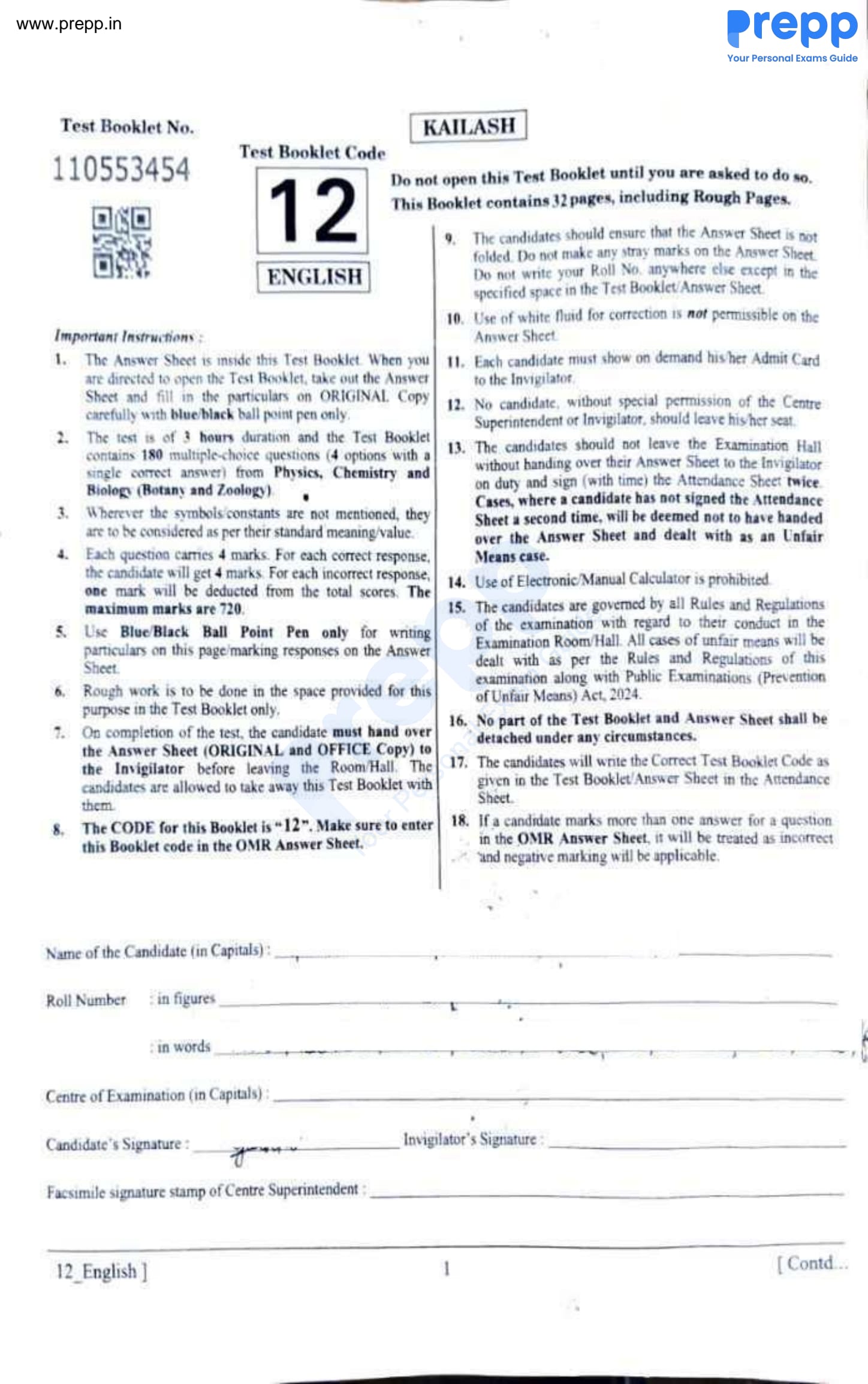
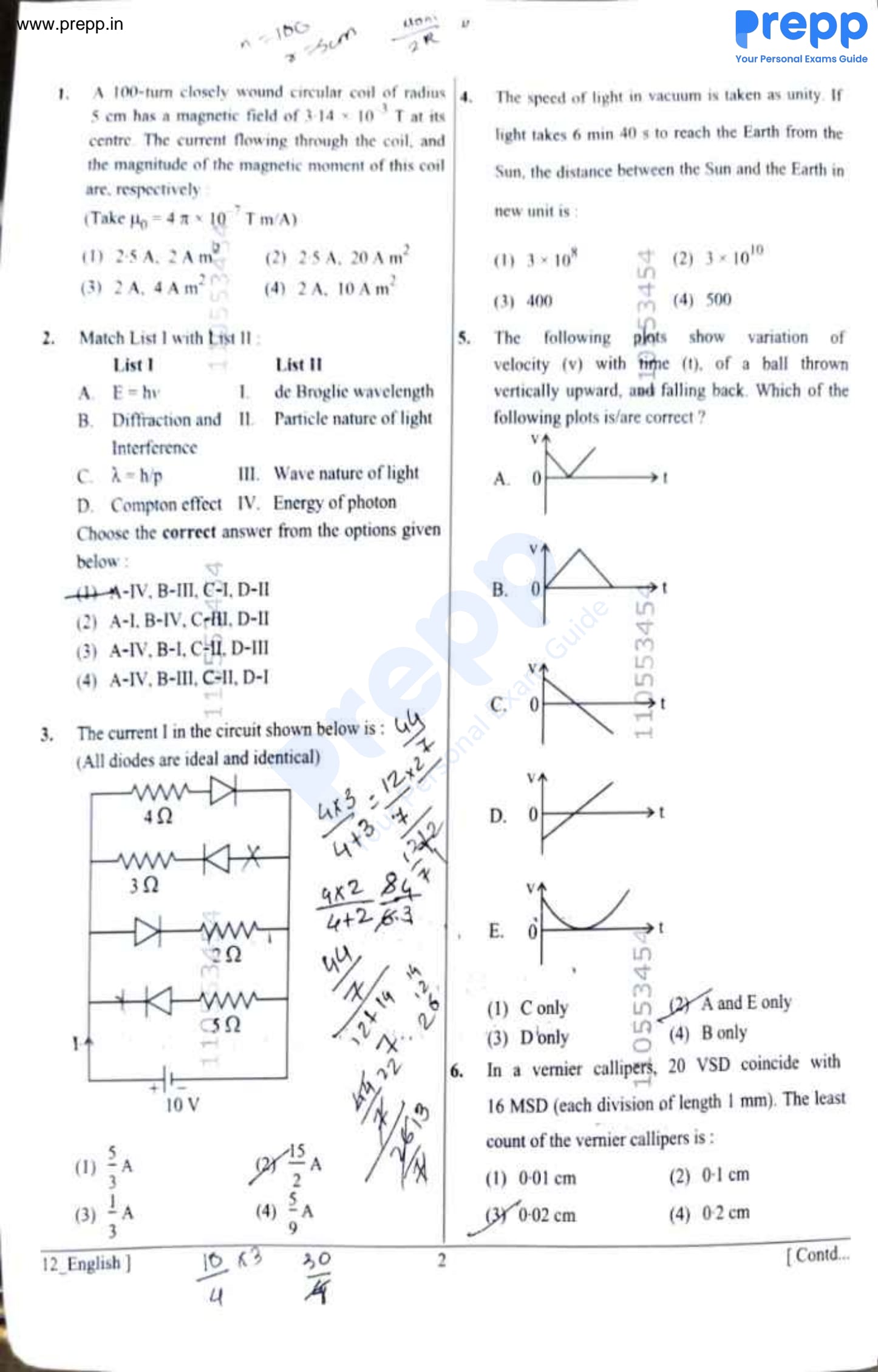
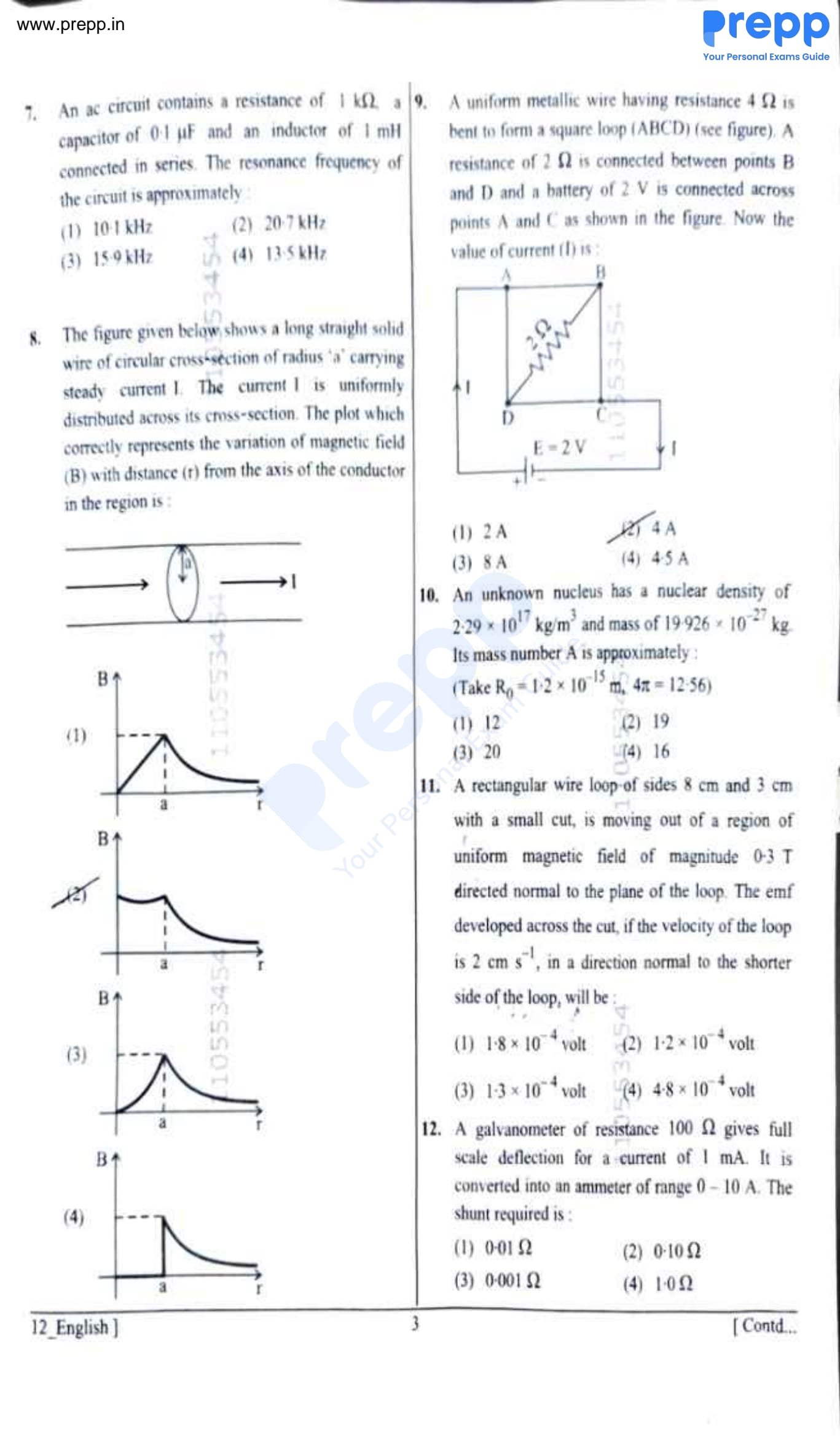
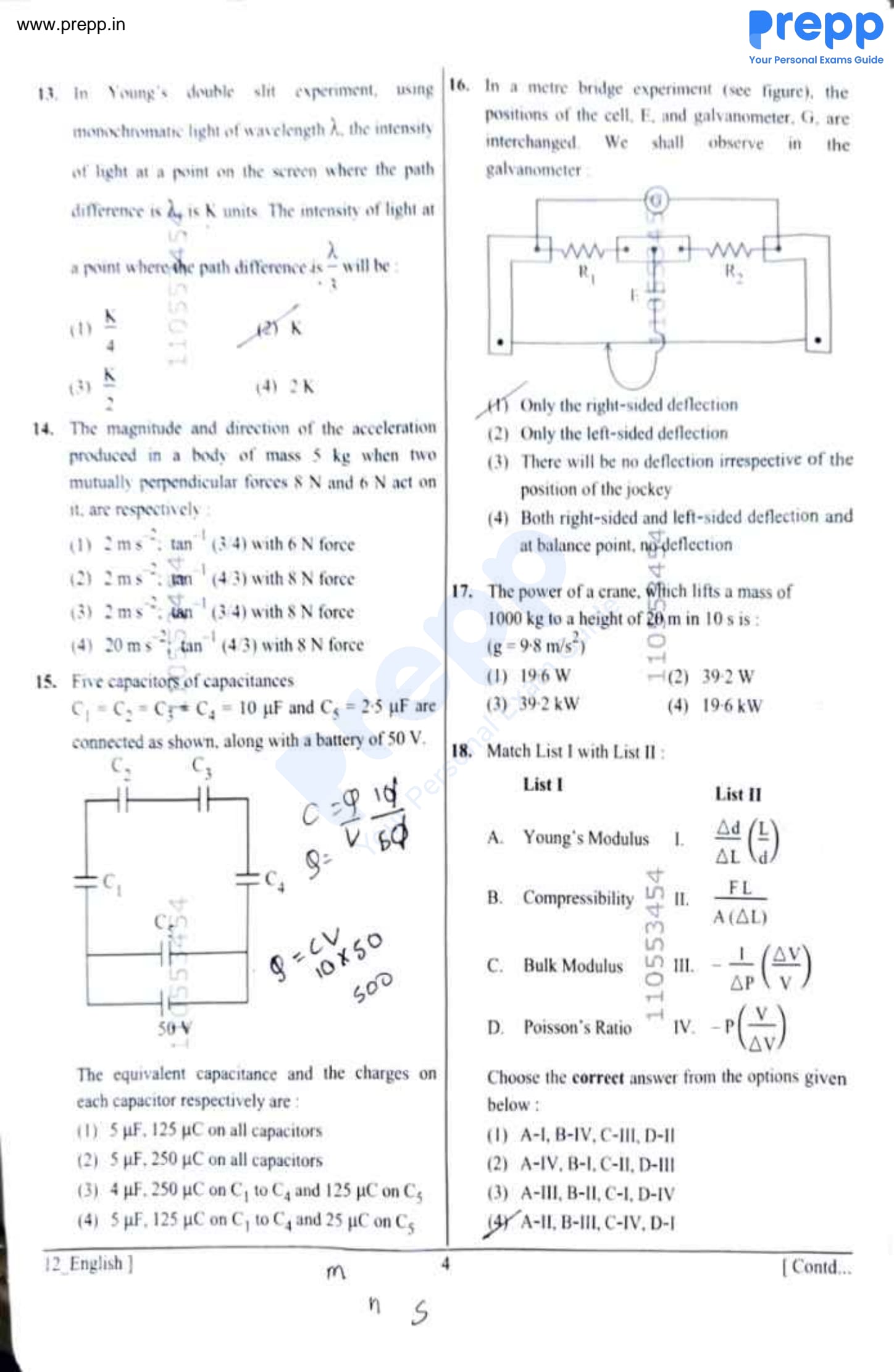
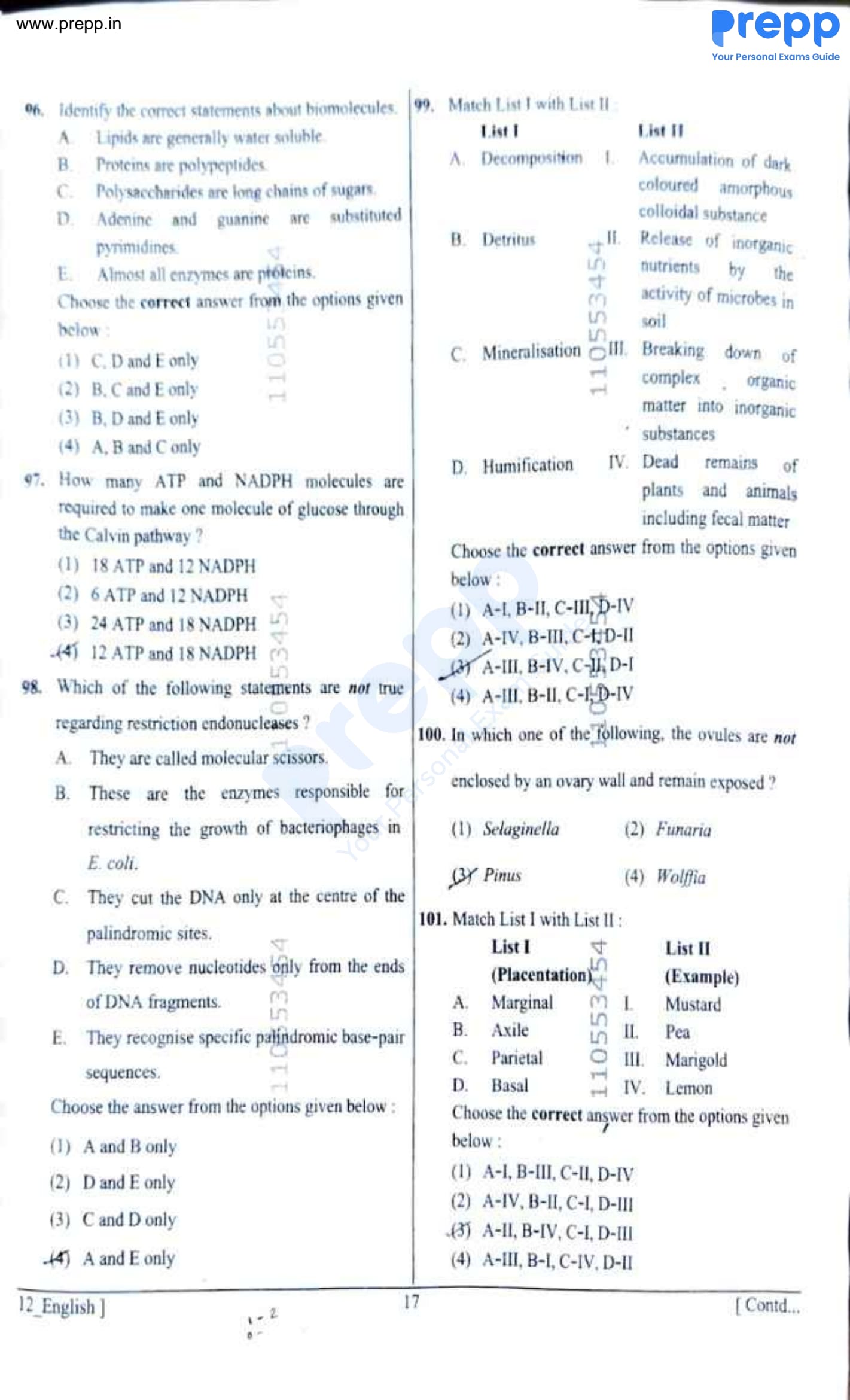
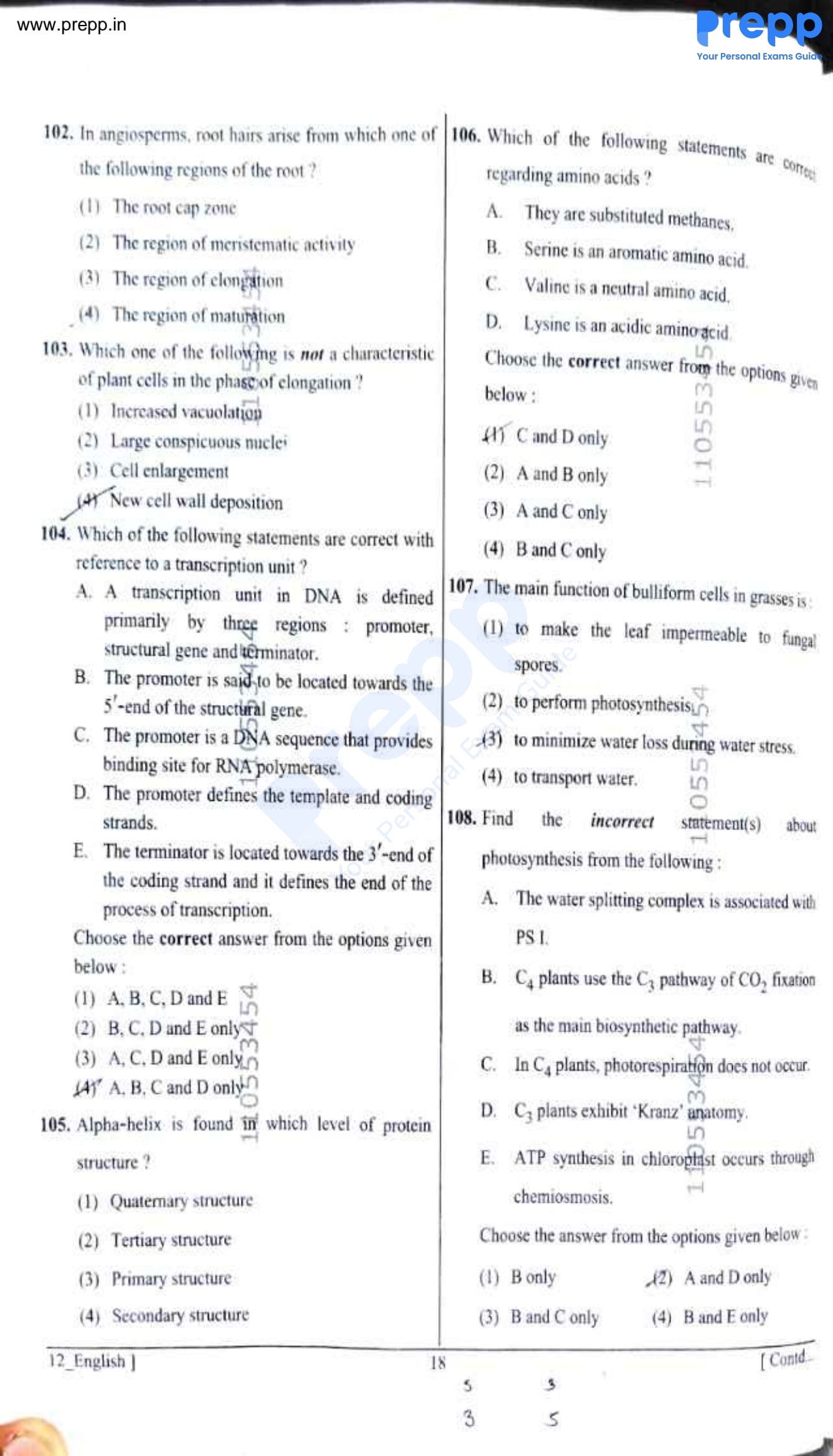
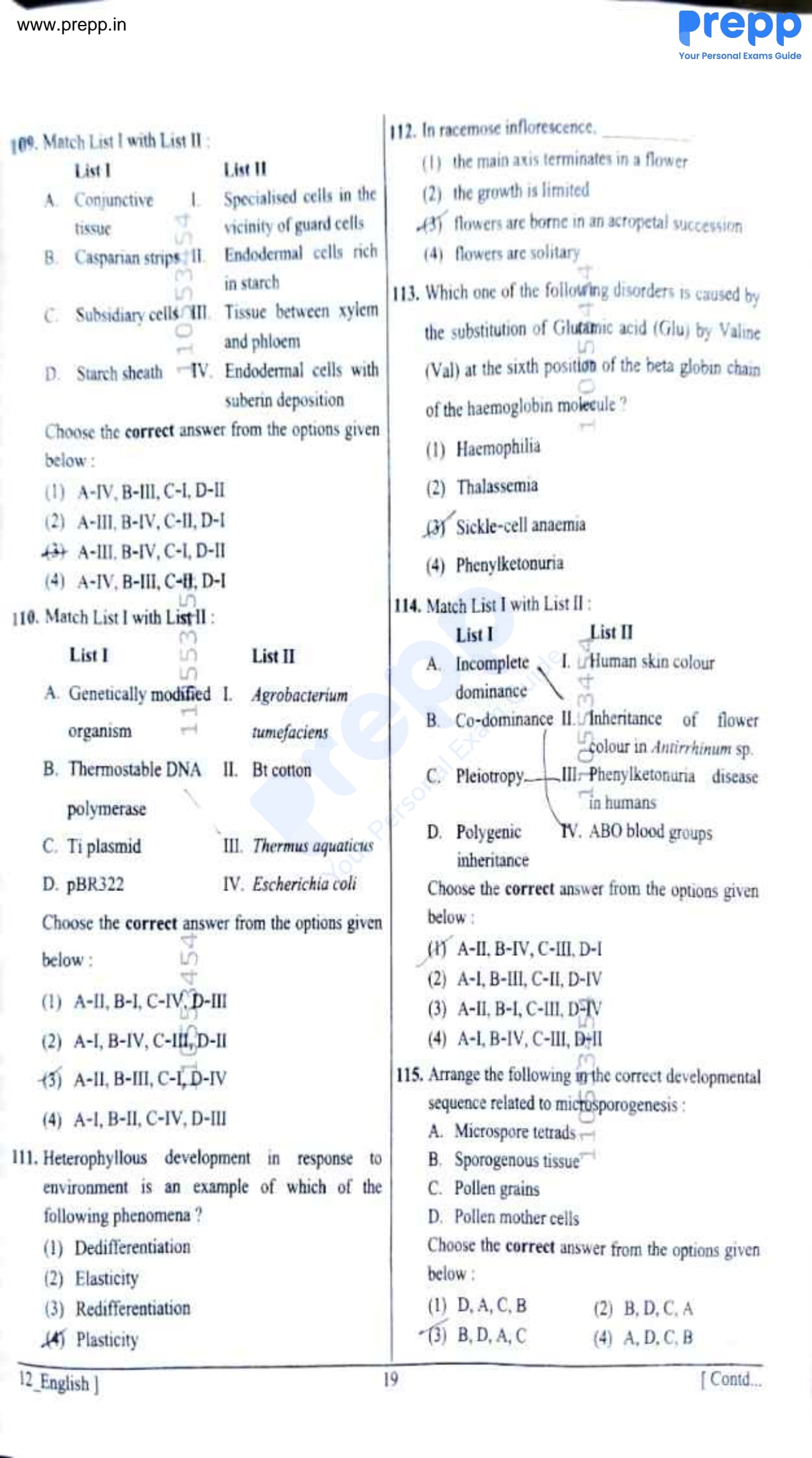
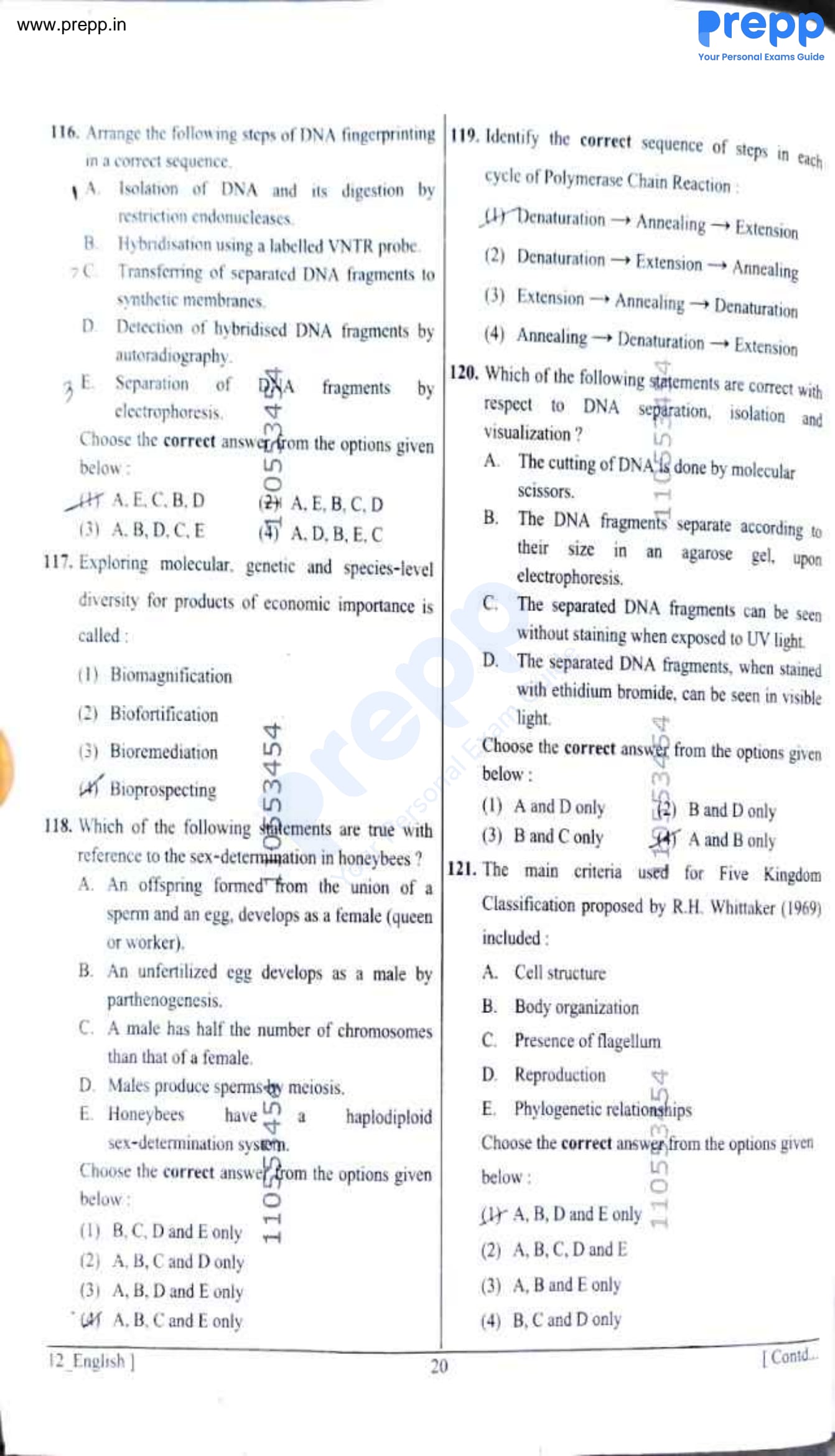
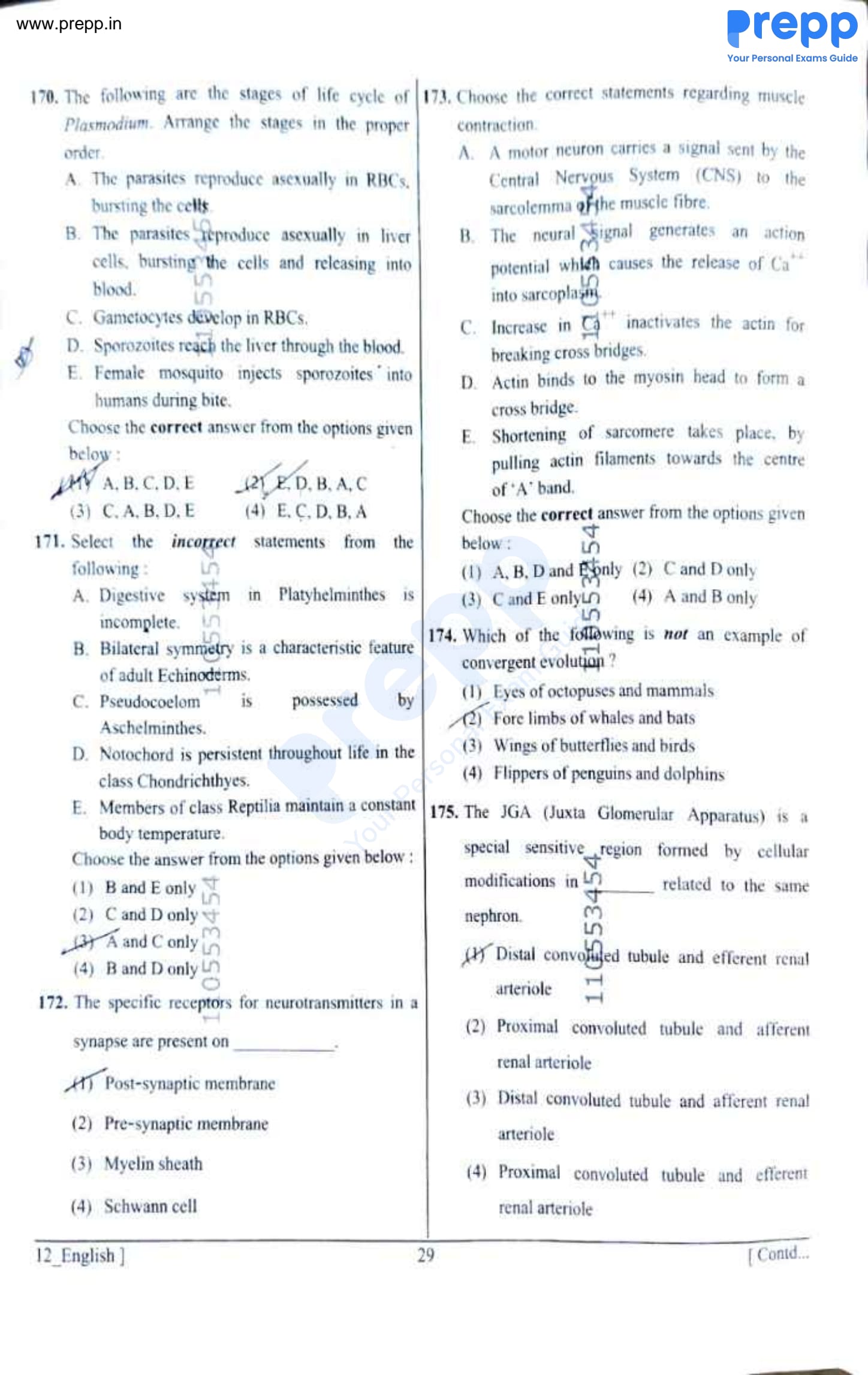
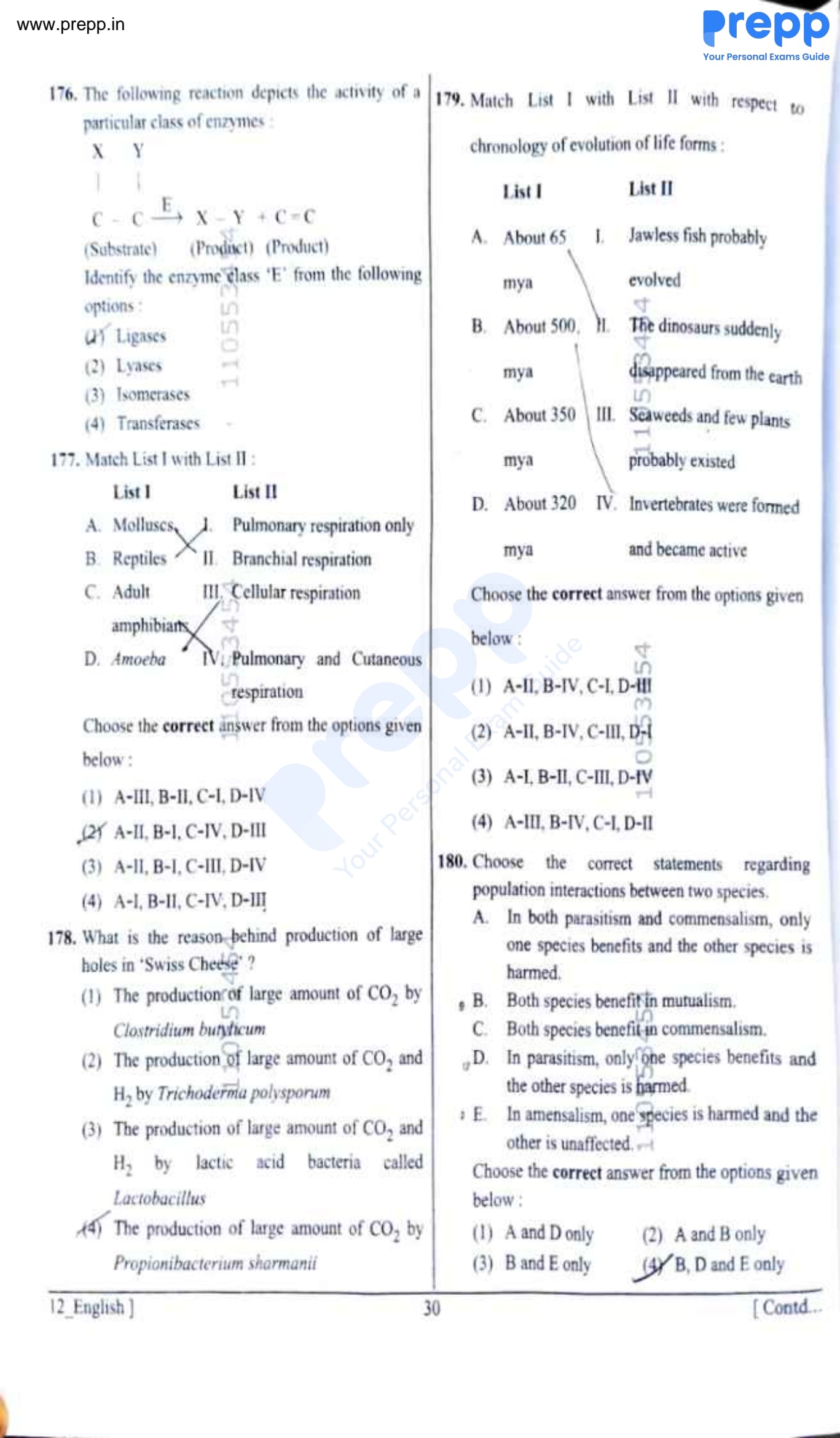
NEET 2026 Question Paper with Answer Key and Detailed Solution is available here to download in PDF format. NEET 2026 exam was successfully conducted on May 3, 2026, for a duration of 3 hours (180 minutes), from 2:00 PM to 5:00 PM IST.
NEET 2026 Question Paper and Answer Key PDF

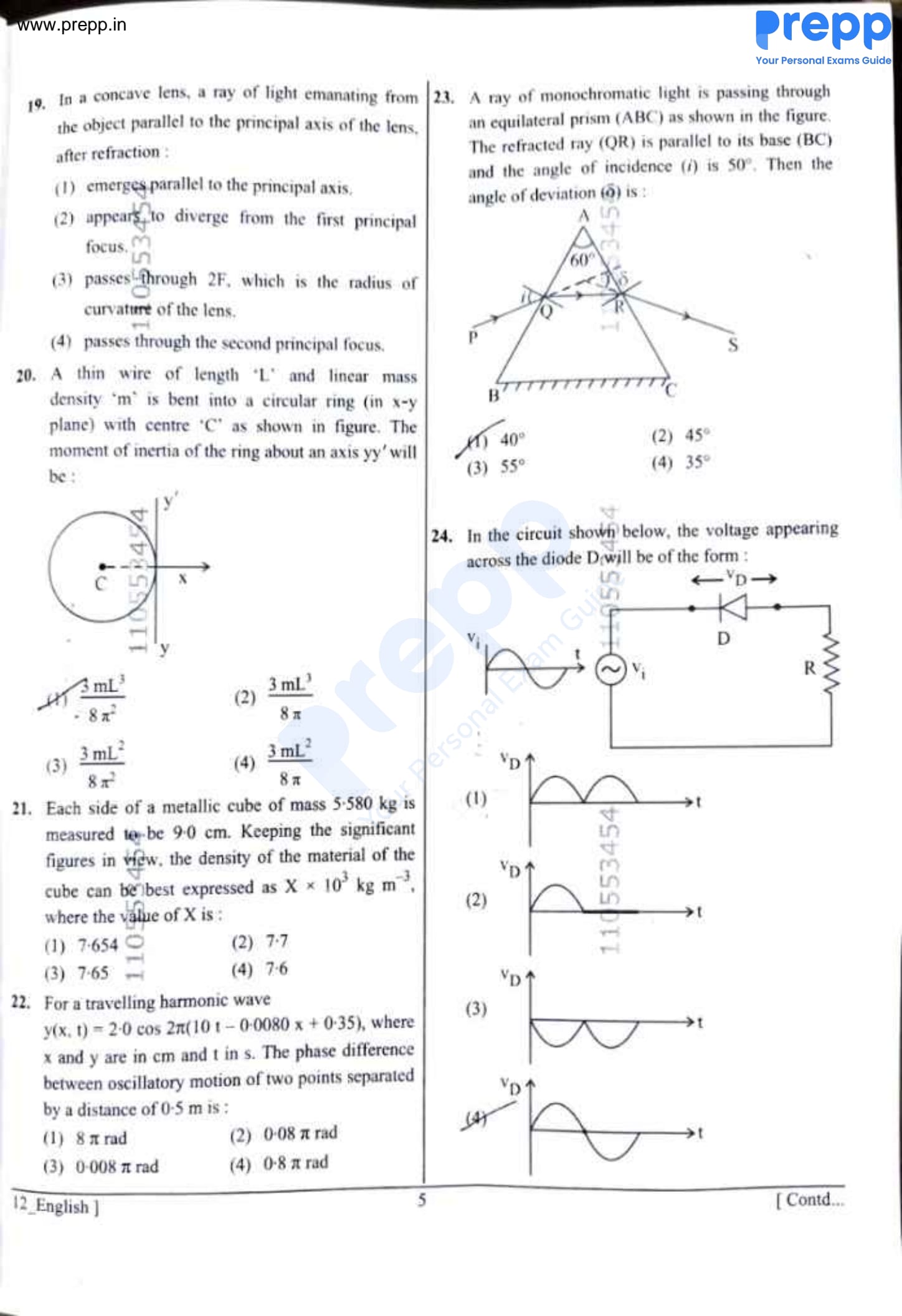
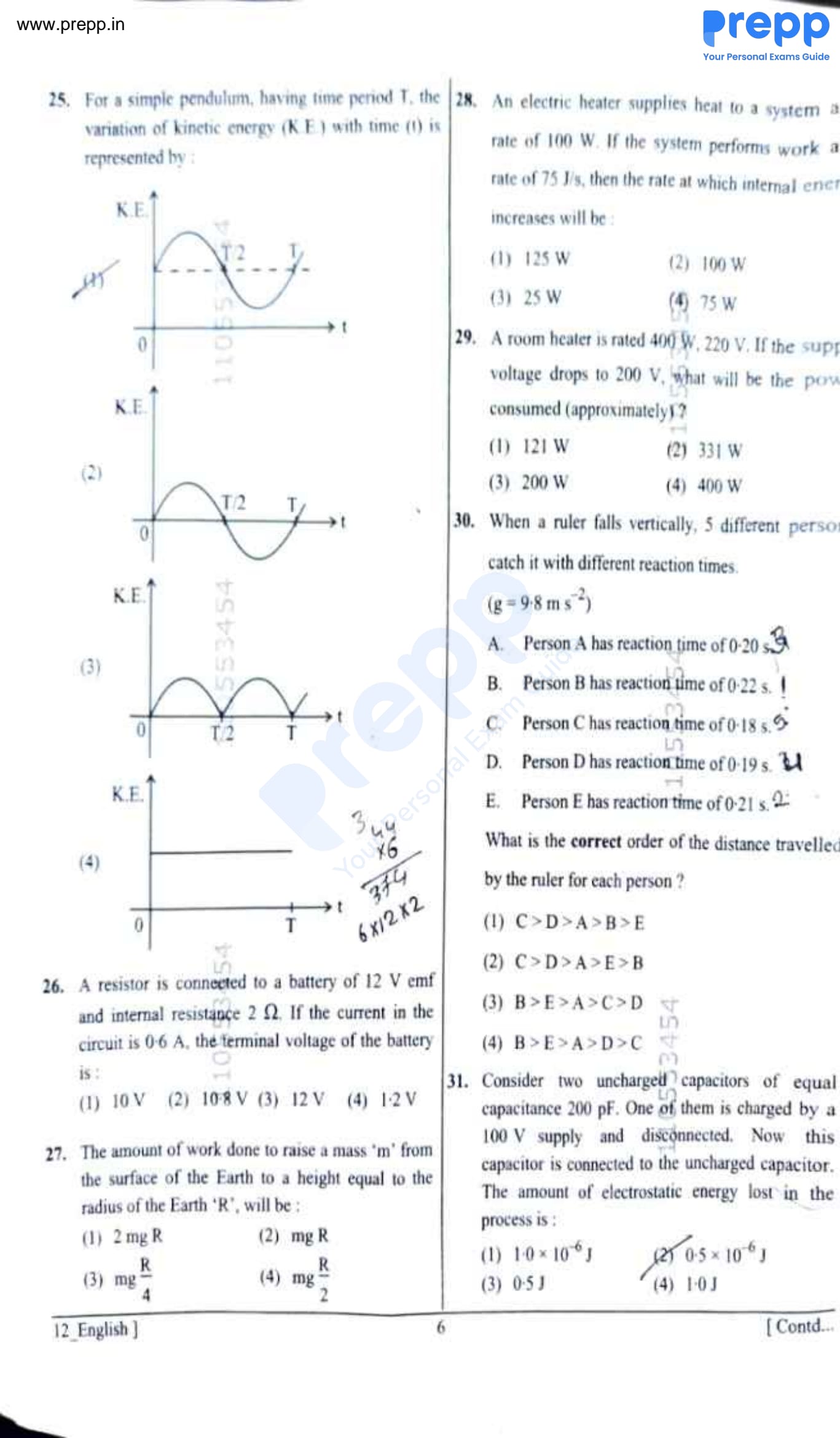
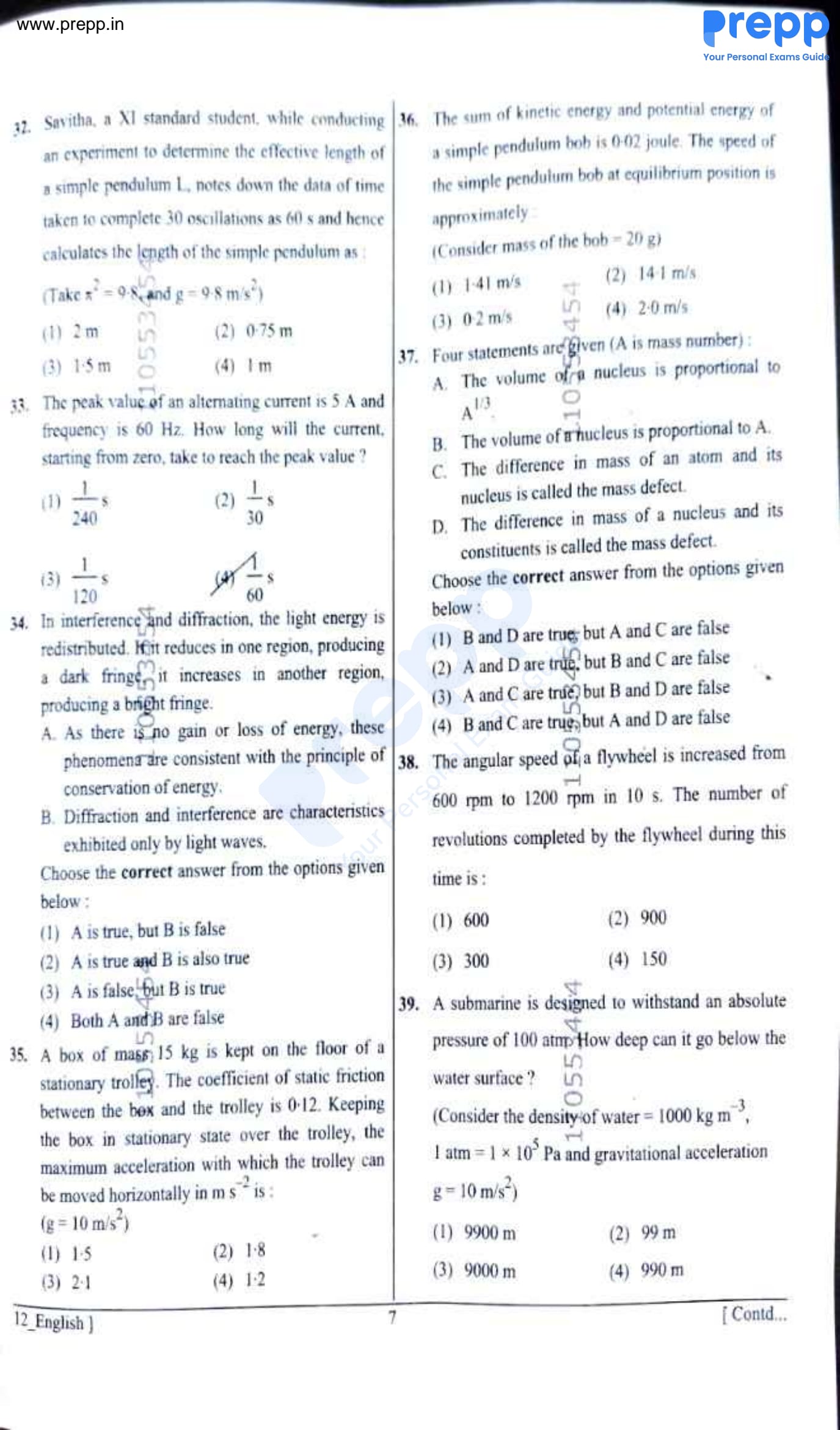
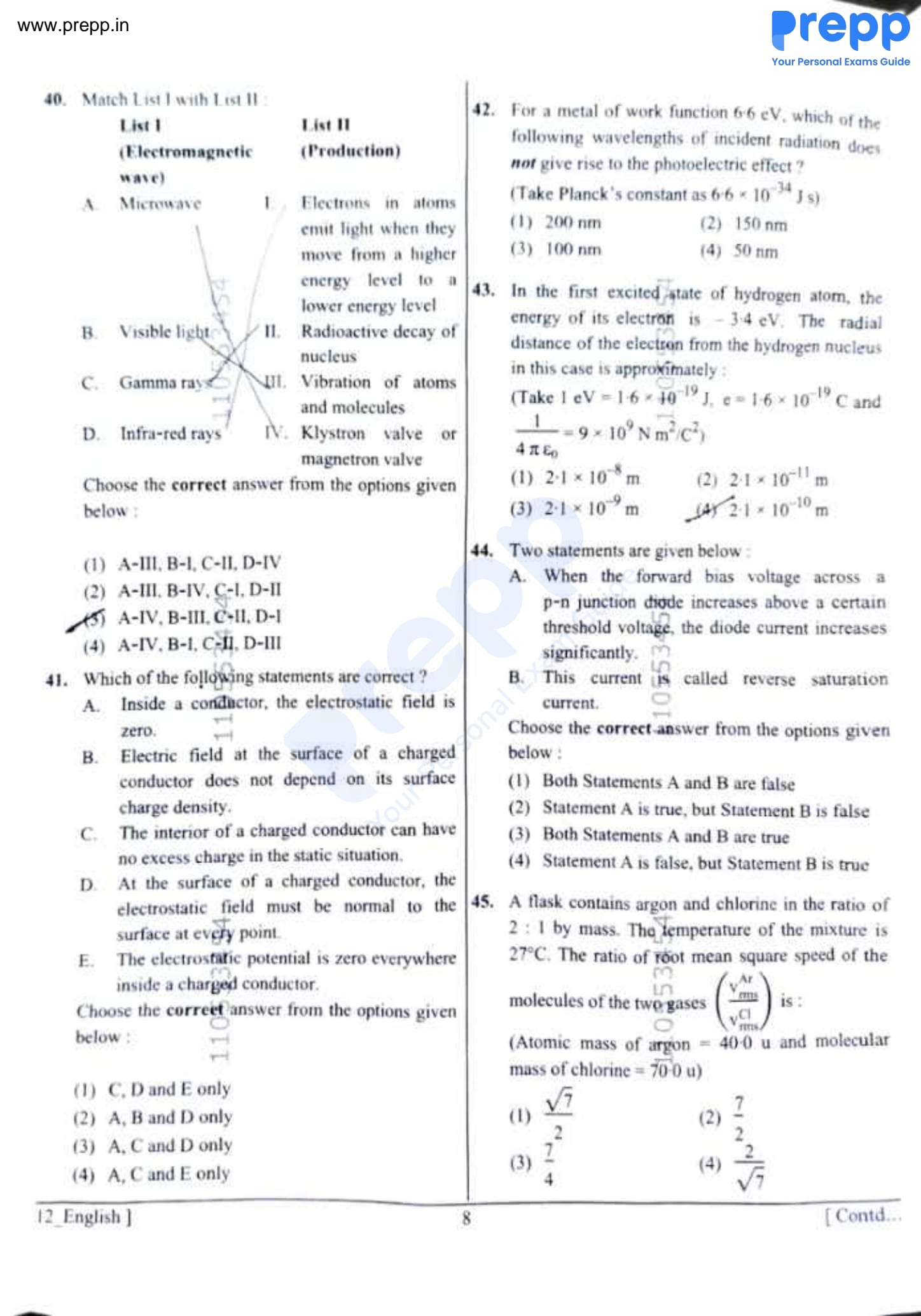
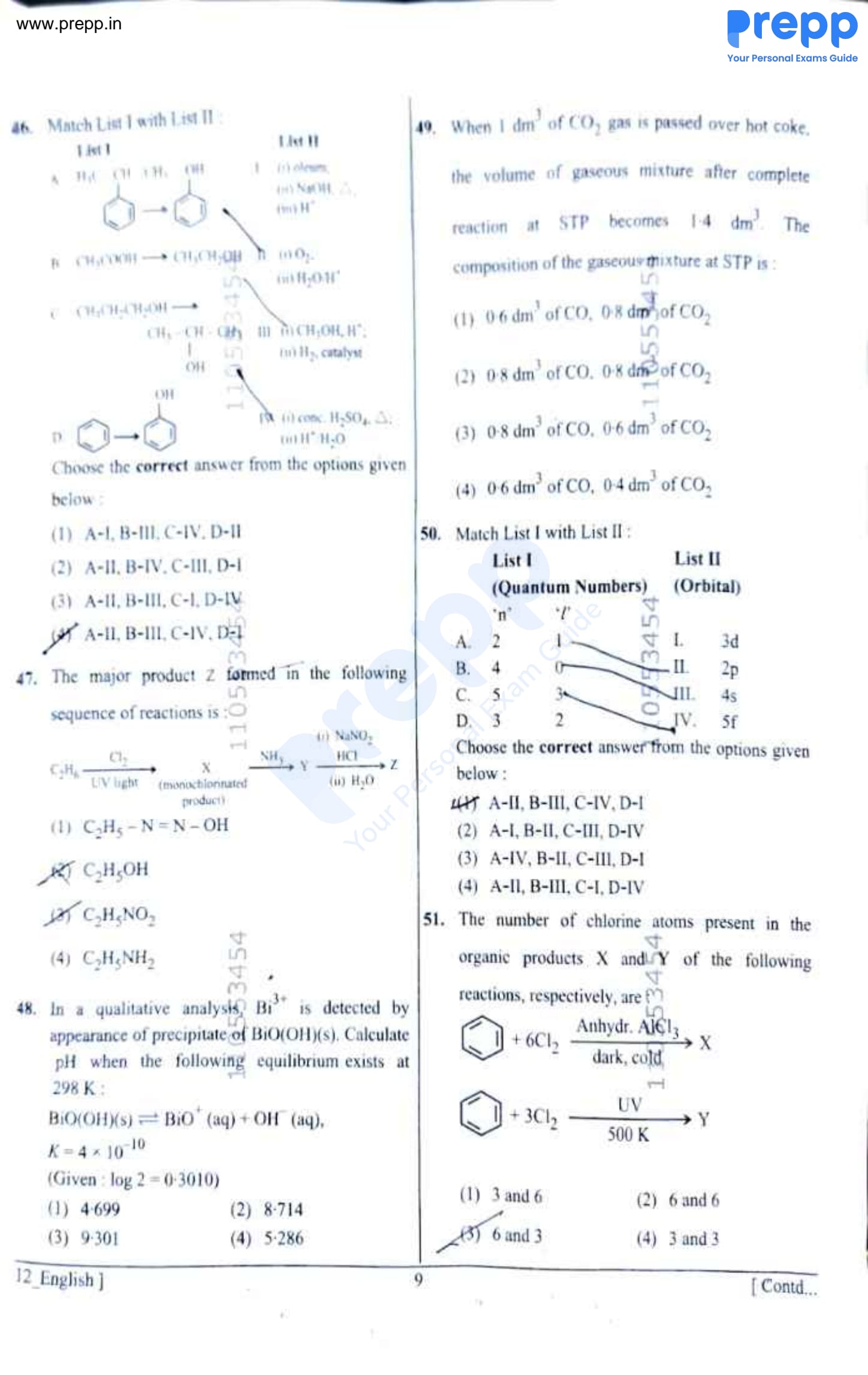
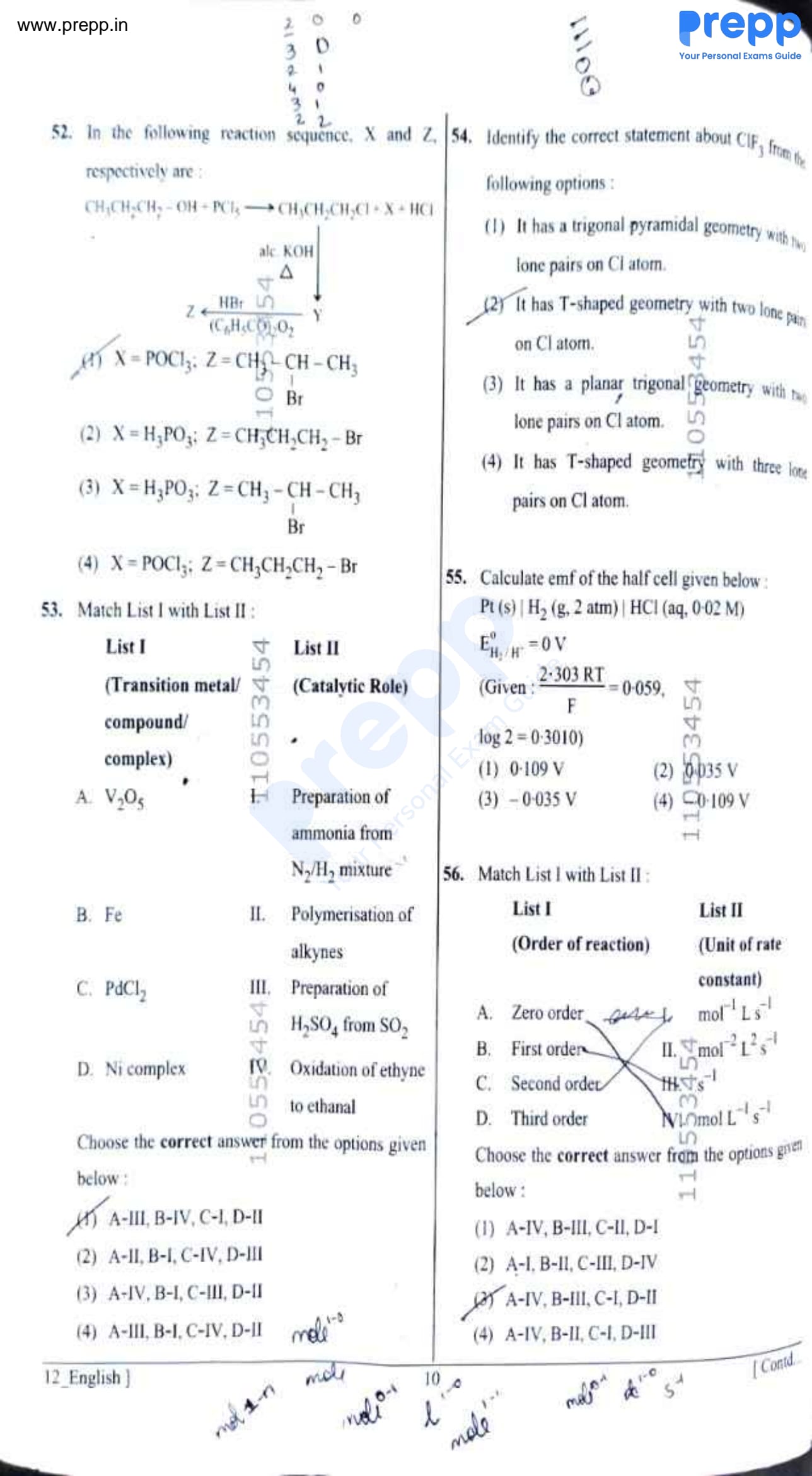
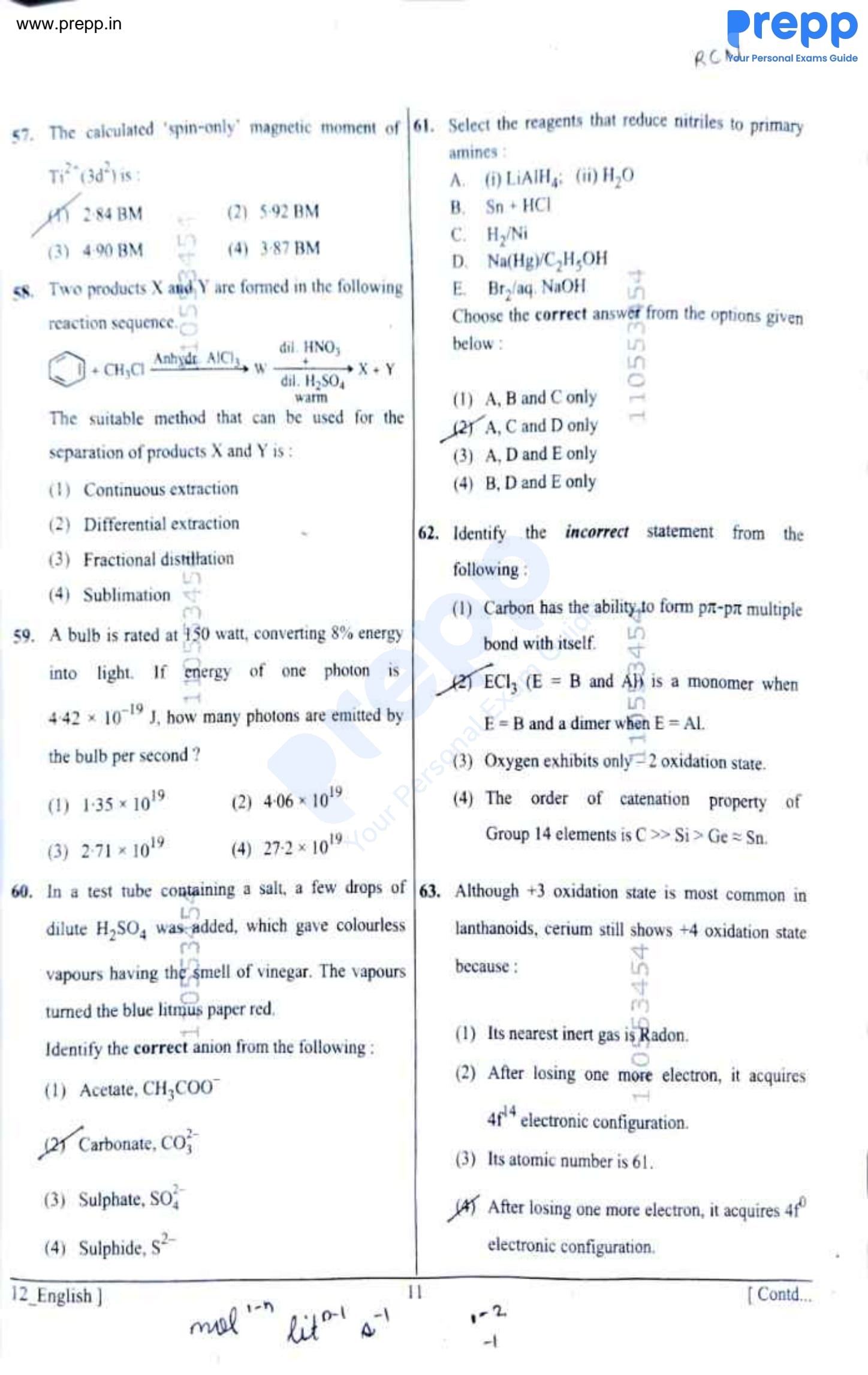
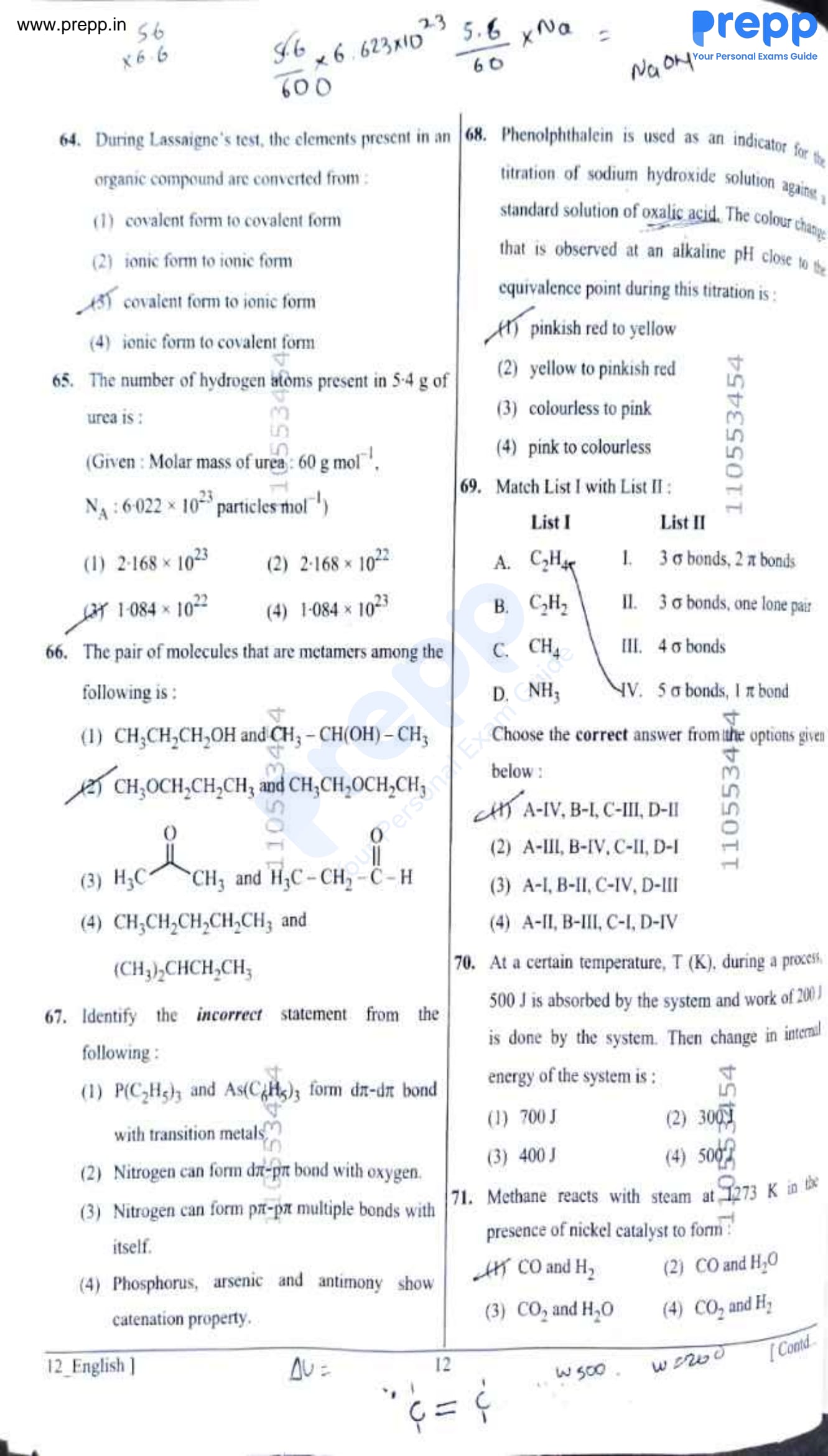
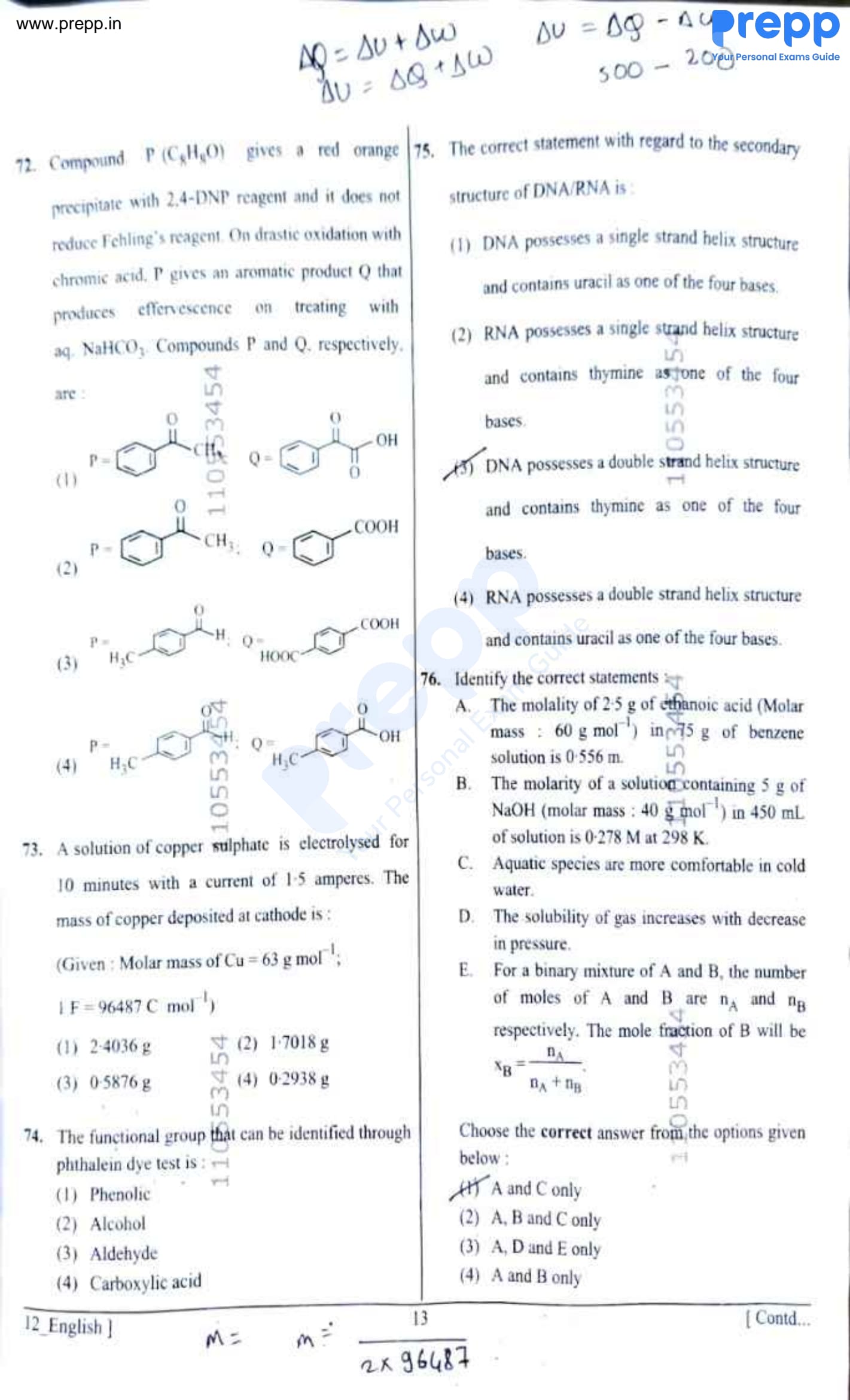
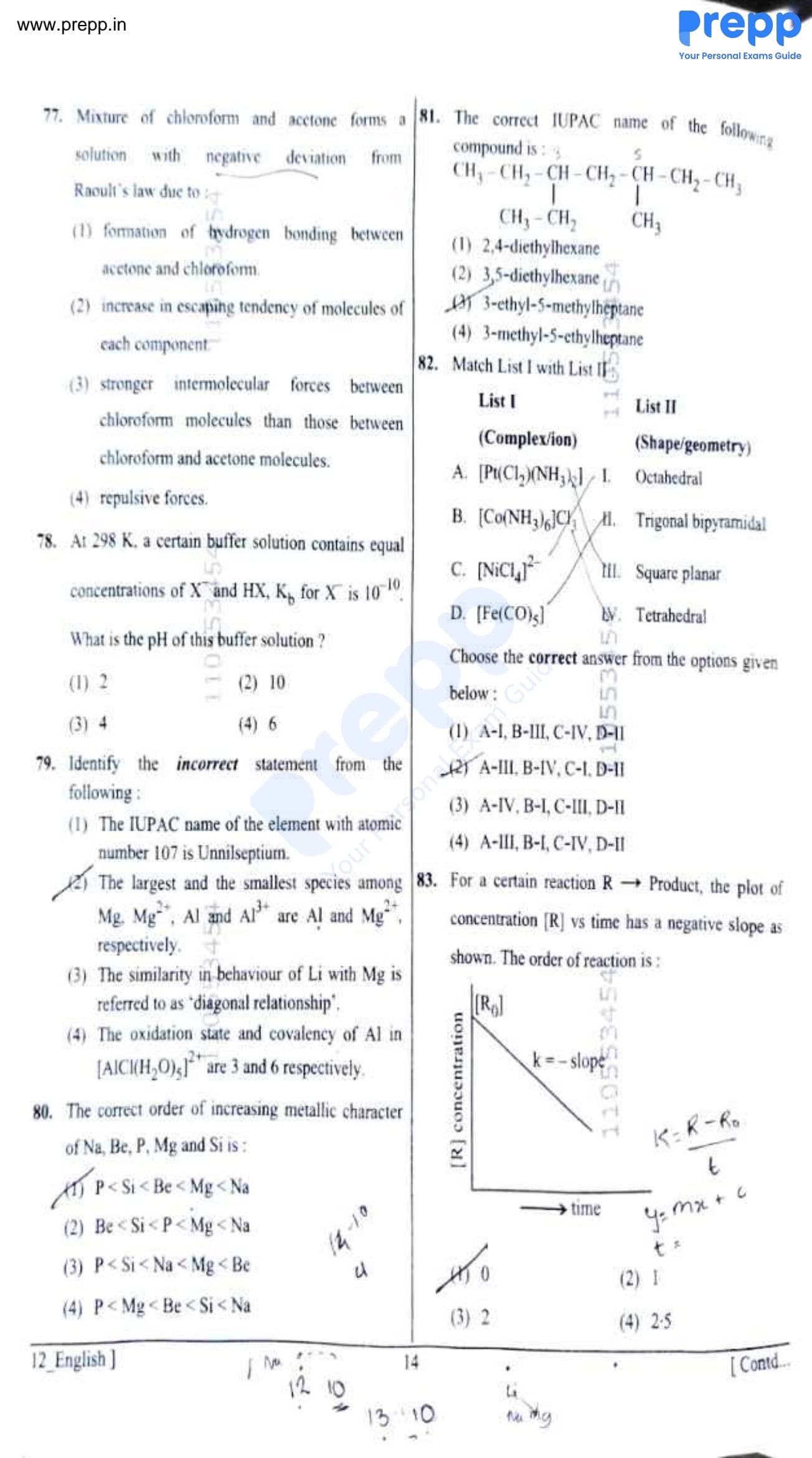
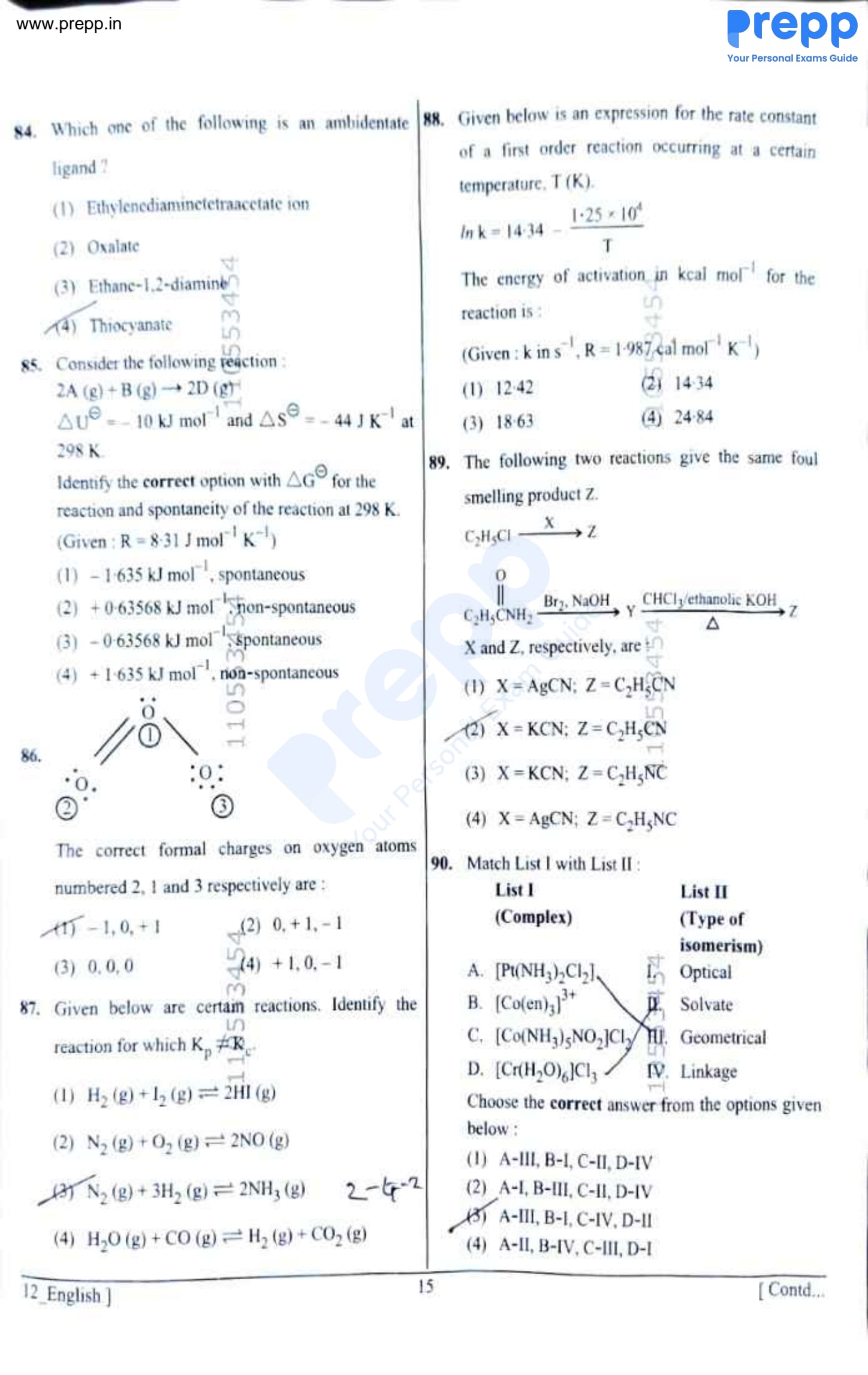
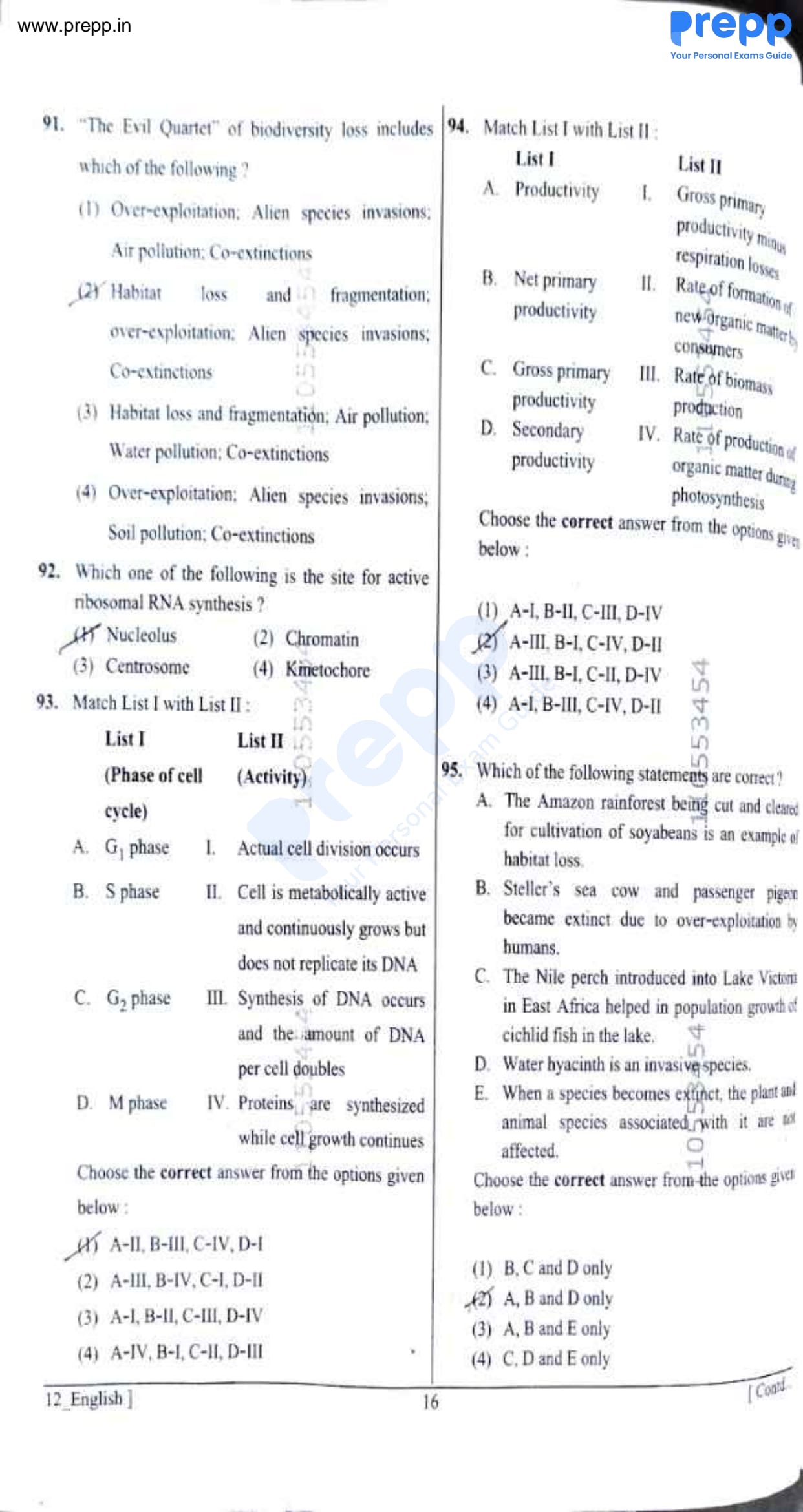
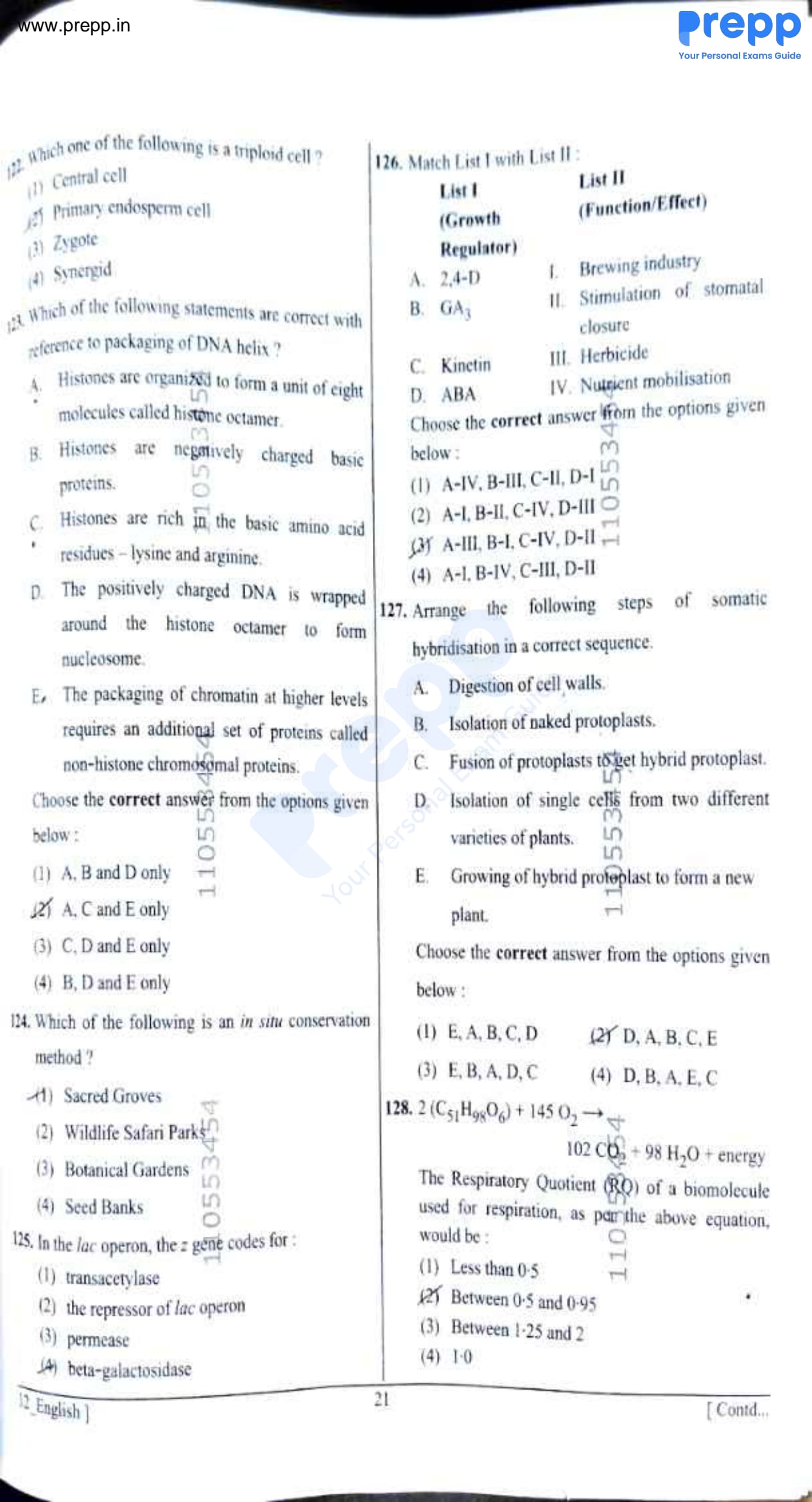
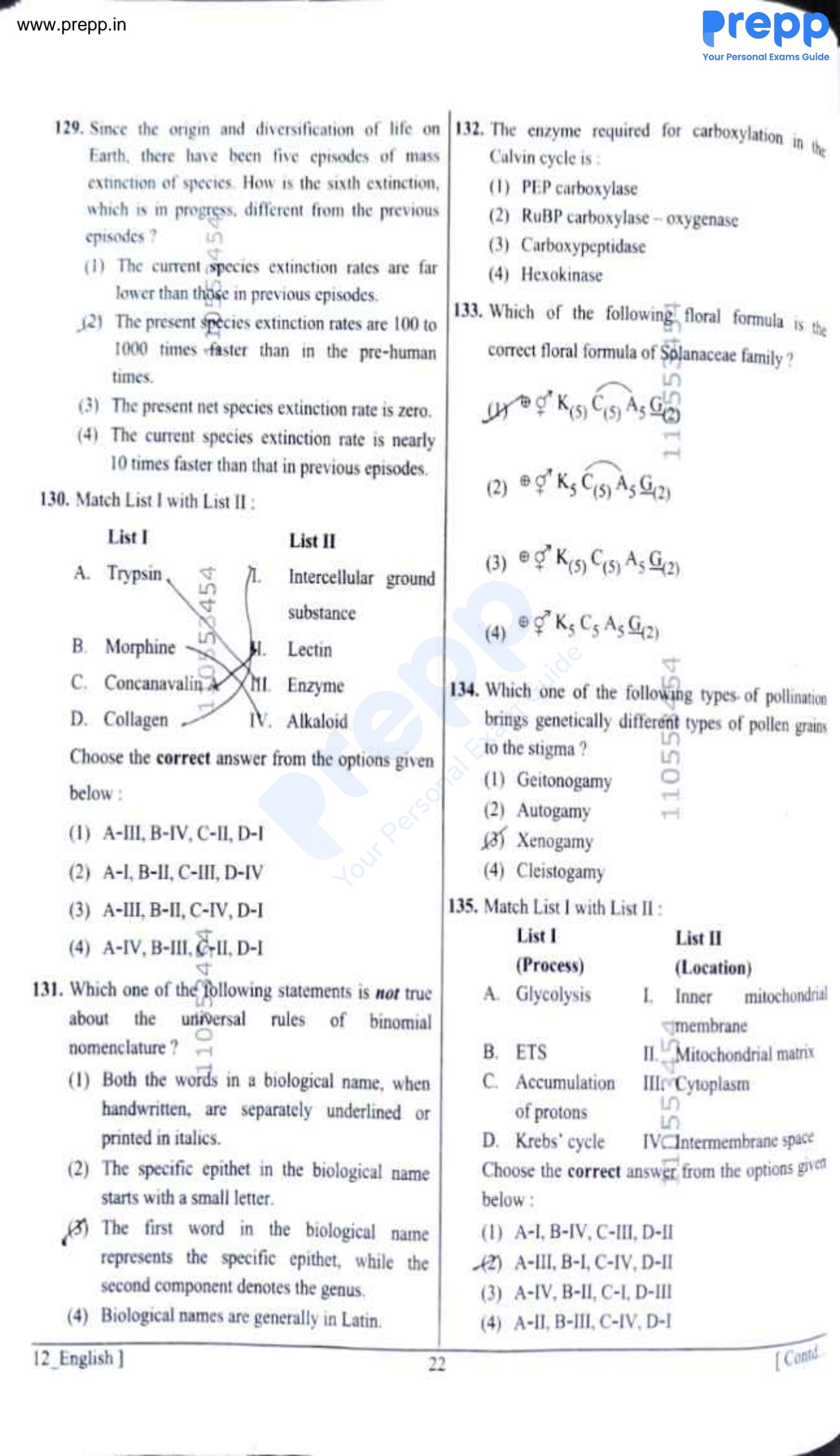
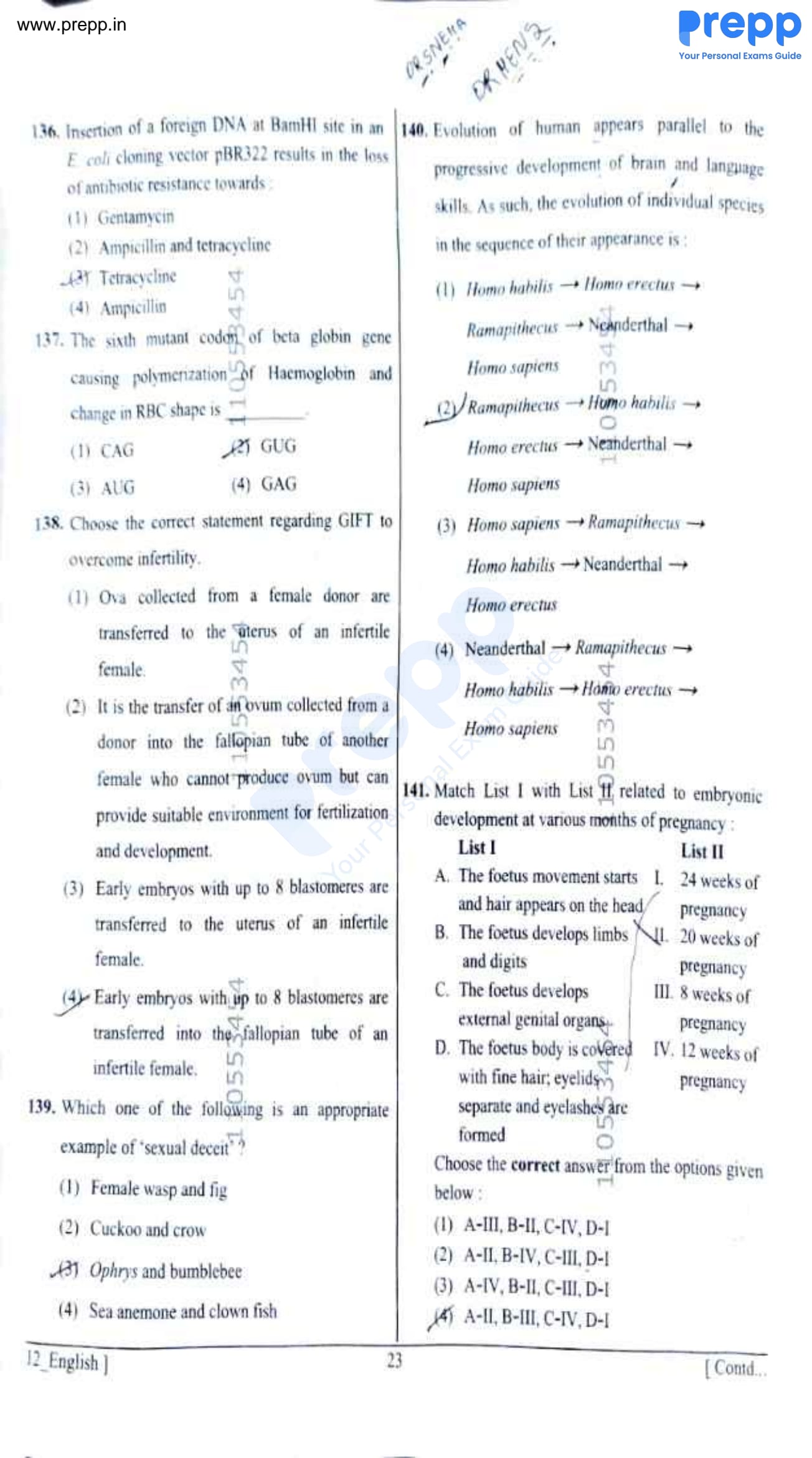
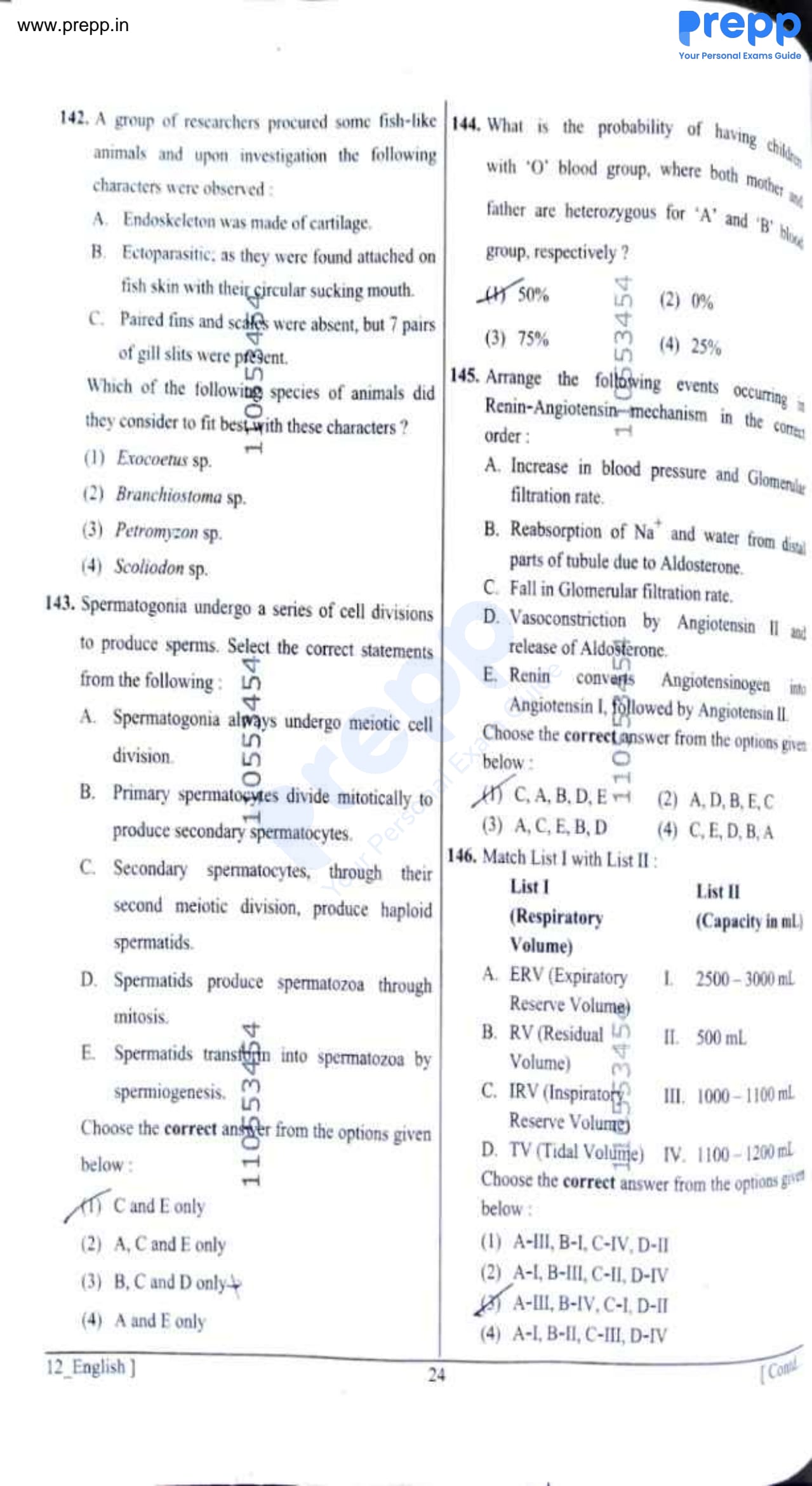
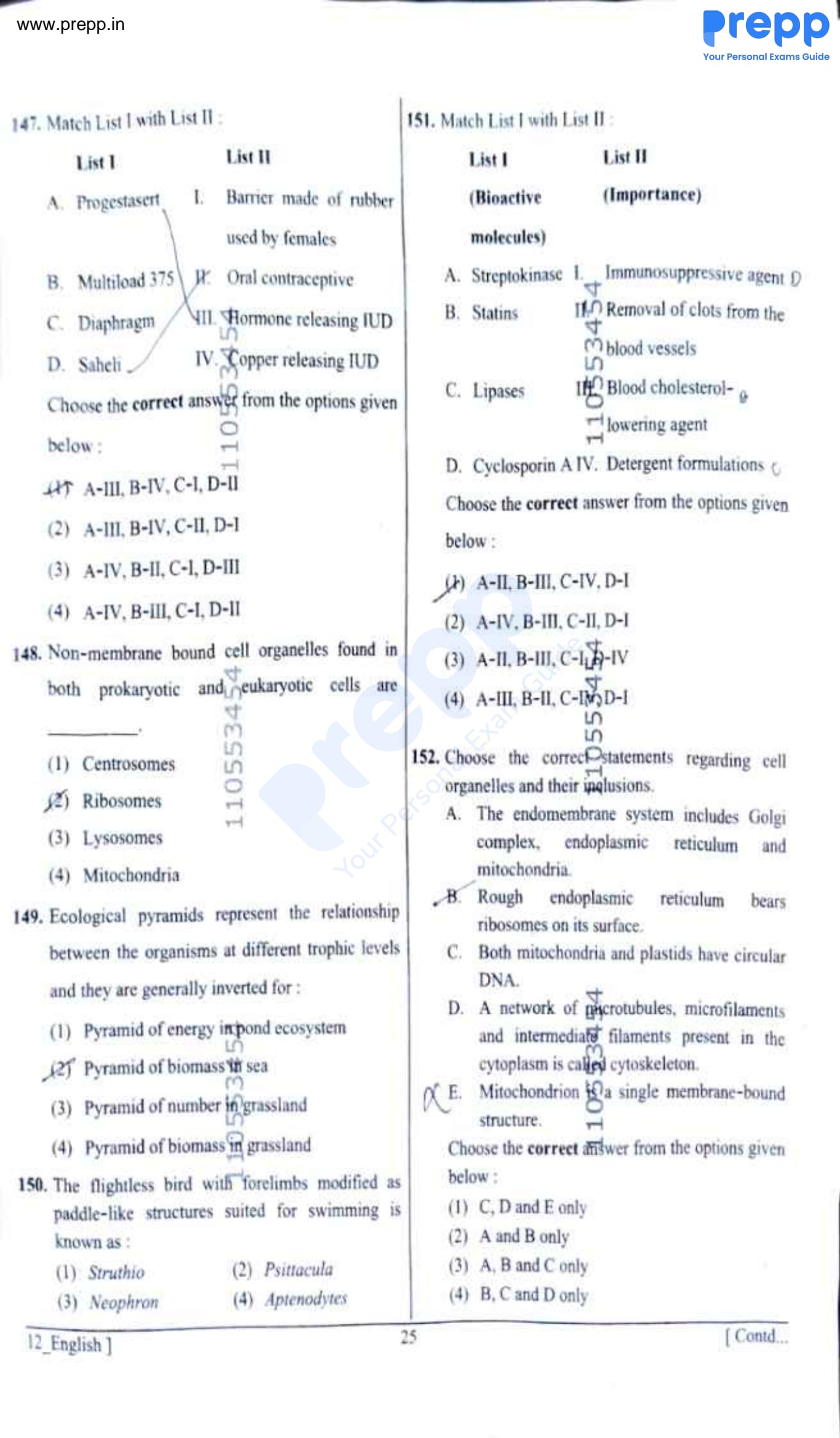
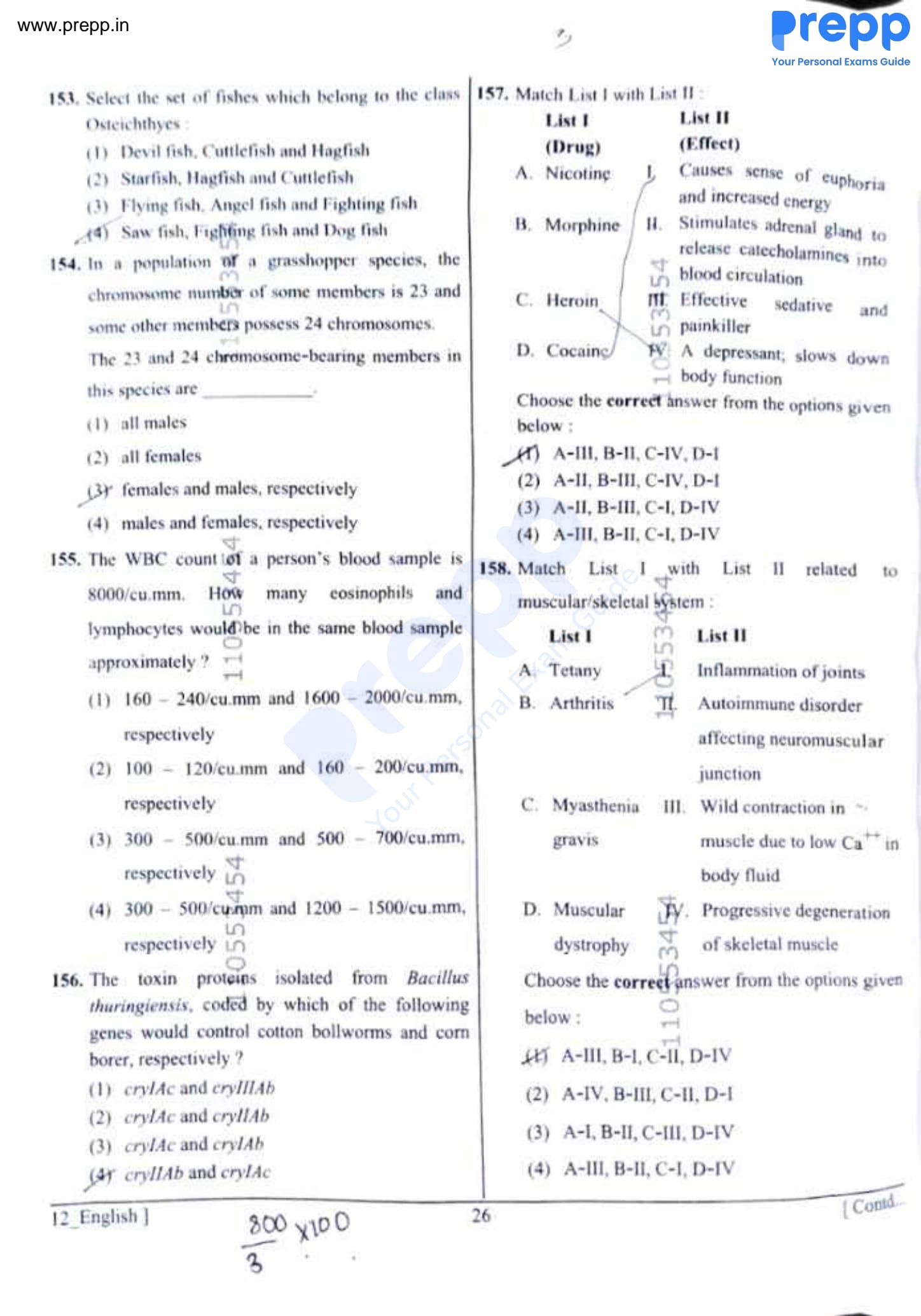
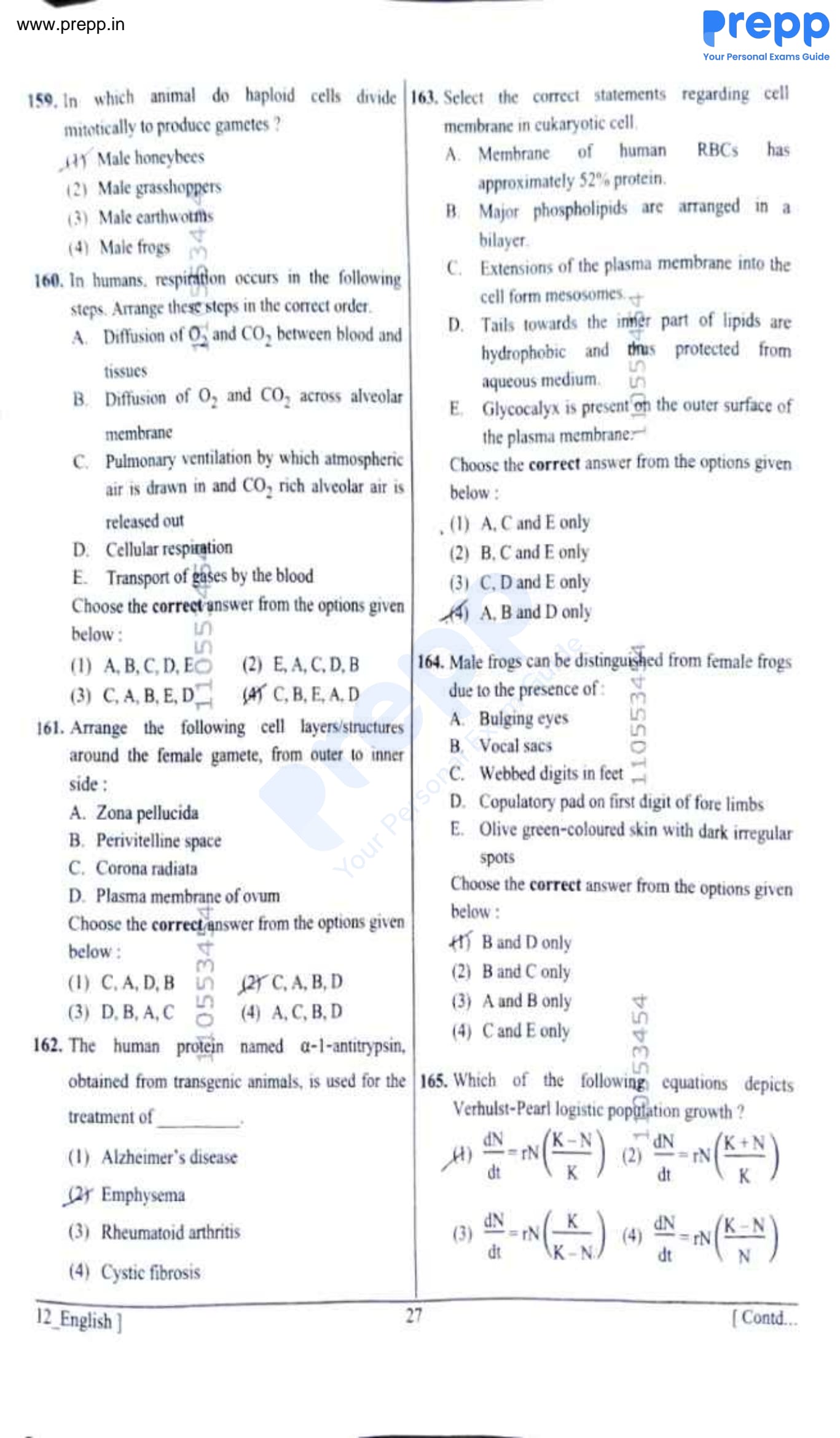
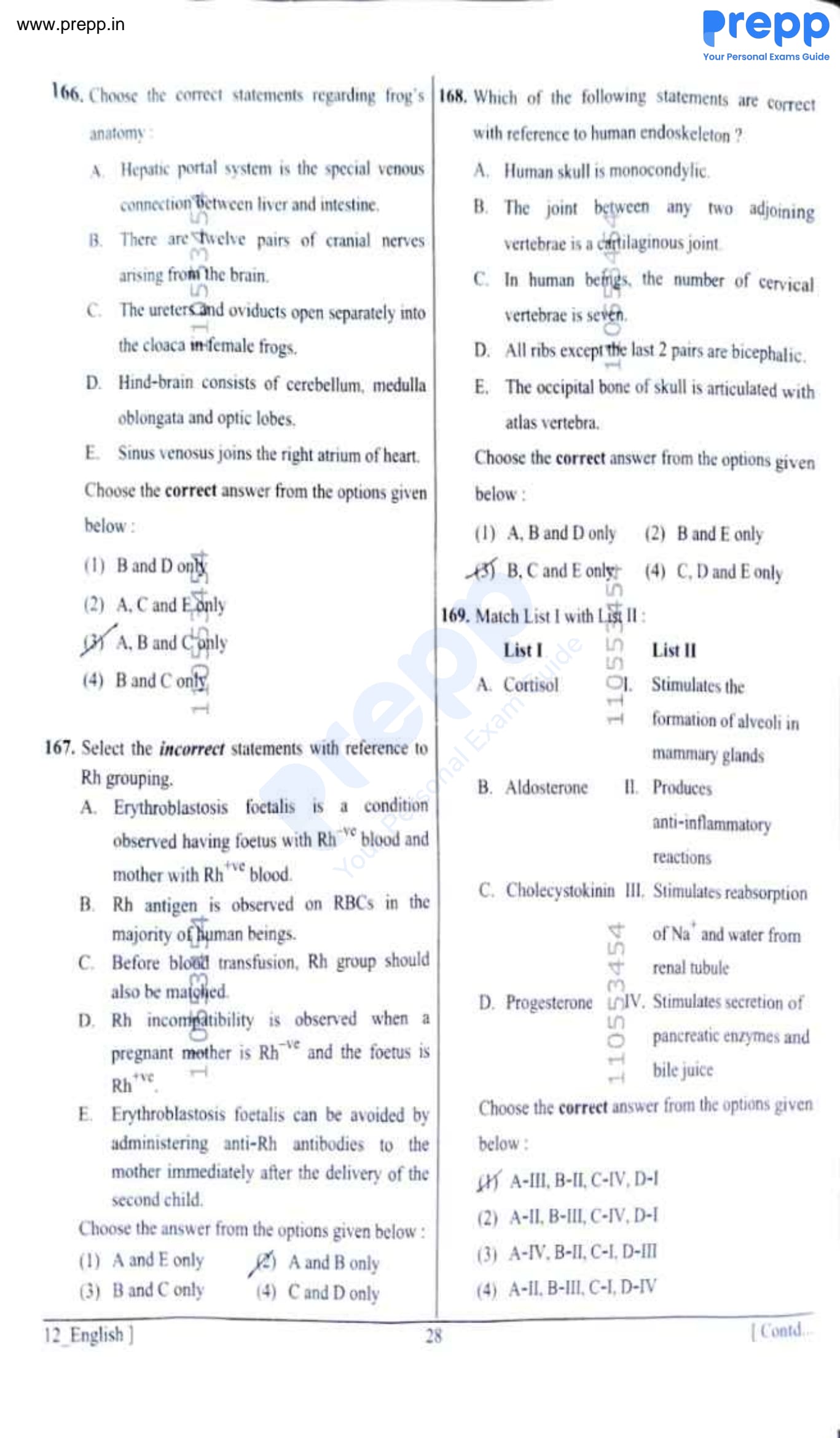
NEET 2026 Exam Analysis: Student Reactions and Difficulty Level
Every year, once students walk out of NEET exam centres, they have similar view "Physics was brutal", "Biology was fine." What is interesting is how consistent this reaction has been across years. Below is what years of student feedback and post-exam NEET 2026 analysis actually show.
| Subject | Exam Analysis |
|---|---|
| NEET 2026 Physics | Moderate to Difficult; calculation-heavy, Mechanics and Electrostatics dominate most years |
| NEET 2026 Chemistry | Easy to Moderate; stays close to NCERT; Organic Chemistry consistently carries higher weightage |
| NEET 2026 Biology | Easy to Moderate; mostly direct NCERT lines; Genetics and Plant Physiology appear in some form almost every year |
Note: Students who stuck to NCERT and solved at least 5 years of NEET PYQs with answer keys rarely called the paper "unexpected". Most surprises in NEET 2026 are actually NCERT examples and diagrams that students had seen but never properly absorbed.
Also Read:- NEET 2026 Exam Analysis; Check Physics, Chemistry & Biology Subject-Wise Analysis
NEET 2026 Based Time Management and Attempt Strategy
NEET 2026 Time management and attempt strategy are equally important together with completing the syllabus and practising PYQs. In that exam hall, physics is taking longer than expected, and you have 40 biology questions still untouched. A few patterns that show up consistently in NEET topper strategies:
- Most toppers attempt Biology first, lock in those marks, and come back to Physics with whatever pressure remains
- Chemistry, being the middle-ground subject, works best in the second slot for most students
- Skipping calculation-heavy Physics questions on first pass and returning to them saves 10–15 minutes that decide the final score
- Students who had never timed themselves during NEET UG 2026 preparation reported the highest regret on exam day not about what they did not study, but about time lost
NEET 2026 Most Repeated Topics: Subject-Wise Important Chapters
After going through NEET previous year question papers from 2016 to 2025, NEET 2026 most repeated topics subject-wise weightage picture becomes very clear. Some chapters show up in almost every paper in some form.
NEET 2026 Biology Important Chapters
Biology carries the highest weightage in NEET 2026, making it the most scoring section. Prioritising NCERT-based chapters and regular revision can significantly boost your rank.
| Unit | Topics Covered |
|---|---|
| Cell Biology & Cell Division | Structure of cells, organelles, cell cycle, mitosis, meiosis |
| Genetics | Mendelian inheritance, laws of inheritance, DNA structure, replication, gene expression, molecular basis of inheritance |
| Human Physiology | Digestion and absorption, breathing and exchange of gases, body fluids and circulation |
| Plant Physiology | Photosynthesis, respiration in plants, factors affecting processes |
| Ecology & Environment | Ecosystem structure and function, biodiversity, conservation methods, environmental issues |
| Reproduction | Reproduction in flowering plants, human reproductive system, reproductive health |
NEET 2026 Chemistry High-Frequency Topics
Chemistry is the most balanced section in NEET, combining theory and numericals. Strong command over NCERT and key concepts can help you score consistently high marks.
| Unit | Topics Covered |
|---|---|
| Organic Chemistry | Named reactions, reaction mechanisms, intermediates, reagents and their functions |
| Chemical Bonding & Molecular Structure | Ionic, covalent and coordinate bonding, VSEPR theory, hybridization, molecular geometry |
| Equilibrium | Chemical equilibrium, ionic equilibrium, Le Chatelier’s principle, pH and buffer solutions |
| Coordination Compounds | Ligands, coordination number, nomenclature, isomerism, bonding theories and applications |
NEET Physics Chapter-Wise Questions Consistently Tested
Physics in NEET 2026 is often the most time-consuming and concept-driven section. Focusing on high-weightage topics and regular numerical practice can improve both speed and accuracy.
| Unit | Topics Covered |
|---|---|
| Laws of Motion & Work-Energy | The laws of motion, force and inertia, work, energy, power, work-energy theorem |
| Electrostatics & Current Electricity | Electric charges and fields, Coulomb’s law, potential and capacitance, current, resistance, Ohm’s law |
| Modern Physics | Atoms, nuclei, radioactivity, dual nature of matter and radiation |
| Ray & Wave Optics | Reflection and refraction, lenses and mirrors, optical instruments, interference, diffraction |
| Semiconductor Devices | Semiconductors, diodes, transistors, logic gates, basic electronic circuits |
Best Books for NEET 2026 Preparation
The NEET exam pattern 2026 has not changed dramatically in years, and neither has the honest answer to "Which books should I use?" Students who score well are almost always students who went deep into fewer resources, not wide across many.
| Book / Resource | Use |
|---|---|
| NCERT Class 11 & 12 Textbooks | Non-negotiable. Most NEET questions especially Biology and Chemistry, come directly from NCERT lines, diagrams, and examples |
| DC Pandey (Physics) | Best for building concept clarity; covers NEET Physics chapter-wise questions with good variety |
| OP Tandon (Physical Chemistry) | Reliable for numericals, especially useful for NEET Chemistry PYQ practice |
| MS Chauhan (Organic Chemistry) | Strong on mechanisms and named reactions, the parts of organic chemistry that appear in NEET frequently |
| Trueman's Biology Vol 1 & 2 | A solid supplement to NCERT for important Biology chapters; adds depth without unnecessary complexity |
| Arihant 40 Years NEET PYQ | The most complete solved paper collection; essential for topic-wise PYQ analysis |
| NEET Mock Test Series | Full-length NEET pattern tests with subject-level performance analytics |
Toppers’ Suggestions for NEET 2026
If you're just starting to study for the NEET 2026, following the advice of toppers can help you get your studies on the right track.
- Stick to NCERT (esp. Biology & Chemistry)
- Revise multiple times rather than adding new sources
- Practice Biology daily (accuracy matters most)
- Analyse mocks deeply, not just attempt
- Work on weak topics early
- Keep an error notebook and revise it
- Give timed full-length tests regularly
Note: Consistency + revision + PYQs equals to better rank than random study.
Why Practising NEET 2026 PYQs with Answer Key Matters
The full syllabus was covered, notes were made, and mock tests were taken, but it still leaves a student underprepared because they never sat with actual NTA NEET papers and understood how questions are framed for NEET 2026. PYQs close that gap. They are not extra practice. They are the clearest window into how the exam thinks.
- Reveals real NTA NEET 2026 question patterns the phrasing, the depth, the traps
- Builds the answer discipline that the NEET marking scheme (+4/–1) demands
- Lets you identify weak chapters with actual evidence, not assumptions
- Shows you which NCERT-based NEET questions appear in new forms year after year
Download: NEET Previous Year Question Papers (2025–2016) with Answer Key, Free PDF Available
NEET 2026 is a 720-mark exam with 180 questions spread across Physics, Chemistry, Botany, and Zoology. The marking scheme is +4 for every correct answer and –1 for every wrong one. Practising NEET 2026 previous year question papers with answer keys is the most honest way to measure where you actually stand, not where you think you stand.
NEET 2026 Question Papers FAQs
Ques. How many years of NEET previous year papers should I solve?
Ans. Solve the last five years, 2021 to 2025, in full timed exam mode. That handles pattern familiarity and pressure practice. Then go through 2016 to 2020 chapter-wise to catch the high-repeat topics available on reliable education sites such as prepp.
Ques. What is the NEET exam pattern 2026?
Ans. NEET 2026 has 180 questions across Physics, Chemistry, Botany, and Zoology (720 marks total). Each subject is split into Section A (35 compulsory questions) and Section B (15 questions, attempt any 10). Marking scheme: +4 for correct, –1 for wrong, 0 for unattempted.
Ques. Is NEET 2026 question paper PDF available?
Ans. NEET 2026 question paper PDF is not available yet as the exam is yet to be conducted.It will be released by the National Testing Agency (NTA) after the exam in , May 2026. Candidates can download it from educational sites like prepp.
Ques. What should I practice before NEET 2026 paper is released?
Ans. Candidates should practise previous year question papers and mock tests from prepp. This helps in understanding the exam pattern and improving time management. Regular analysis of mistakes can significantly boost performance.
Download the PREPP App and attempt FREE NEET Mock Tests and get complete study material!


Comments